

 English
 Español
The SMK-24F Full-Cube Undercounter Ice Maker is a fully automated ice-making unit meticulously desig...
+ VIEW MORE
 Industry News
HOME / News & Share / Industry News / Commercial Ice Cube Maker Sizing: Match Peak-Hour Demand, Not Daily Output
Commercial Ice Cube Maker Sizing: Match Peak-Hour Demand, Not Daily Output
Sharmoon appreciates your support and sincerely looks forward to cooperating with you for mutual development!
Content
- 1 Why Commercial Means Duty Cycle, Not Just Size
- 2 Sizing: Start With Your Busiest 60 Minutes
- 3 Ice Shape Changes the Glass, the Cost and the Complaint Rate
- 4 Air, Water and Siting: The Costs That Surface After Install
- 5 Undercounter, Modular or Dispenser: Where Each One Fits
- 6 What to Verify When You Buy Through an OEM or ODM Partner
- 7 A Short Checklist Before You Sign
A banquet kitchen outside Dubai called us after its ice bin ran dry at 8:40 p.m., with 190 covers still to plate. The machine on the drawing was rated at 200 kg a day, which reads as generous until you notice that most of that ice is needed between 6 p.m. and 10 p.m.
That gap is the whole argument for specifying a commercial ice cube maker against peak-hour demand instead of a 24-hour average printed on a sticker. Three numbers decide everything else: the ice you need in your busiest hour, the ambient temperature where the machine stands, and how long the ice waits in the bin before it is used. Get those right and condenser type, bin volume and even a fair price fall into place. Get them wrong and you buy a machine that either runs dry at seven o'clock or sits half-empty all week.
Why Commercial Means Duty Cycle, Not Just Size
The line between a domestic and a commercial ice cube maker is duty cycle and serviceability, not capacity. A home unit fills a bin and rests. A commercial machine is expected to survive a 10 to 14 hour service day, recover quickly after every draw, and keep cubes free-flowing in a warm room.
Three consequences follow:
- Recovery rate matters more than the daily rating. Two machines with identical output on paper can behave very differently in a rush; ask for kilograms per hour and the reclaim time after a full bin pull.
- Heat rejection is part of the purchase. An air-cooled unit releases roughly 1.2 to 1.3 times its electrical input into the room as heat, so a closed kitchen without make-up air drifts past 35 °C while output drops and the compressor works harder.
- Service access decides the ten-year cost. Front-panel access, a common refrigerant and stocked evaporator and water-valve parts matter more than a two-year warranty headline.
If you want the category mapped out before you narrow down, our guide on how to choose a commercial cube ice maker walks through the same decisions from an operator's side of the counter.
Sizing: Start With Your Busiest 60 Minutes
Work backwards from the worst hour, never the average day. Take drink volume in that hour, multiply by ice per serve, roughly 150 to 200 g for a highball and 250 to 300 g for a bucket or pitcher, then add display or buffet ice and a 15 to 20 percent buffer for melt and spillage.
| Peak-hour ice need | Daily output guide | Machine class | Typical fit |
|---|---|---|---|
| 20 to 35 kg/h | 90 to 150 kg/day | Undercounter, air-cooled | Cafés, small bars, counter service |
| 35 to 60 kg/h | 150 to 260 kg/day | Heavy-duty undercounter or small modular | Hotel bar, casual dining, single outlet |
| 60 to 100 kg/h | 260 to 450 kg/day | Modular head with 200 to 350 kg bin | Banqueting, multi-outlet hotels |
| Above 100 kg/h | 450 kg/day and up | Stacked modular heads or dispenser | Stadiums, catering, high-volume bars |
An oversized machine wastes energy and drops soft, wet cubes because it short-cycles; an undersized one runs flat out and still runs out. If your peak lands between two tiers, step up one class and buy a larger bin rather than stacking units, since bin volume buys service time far more cheaply than compressor capacity does.
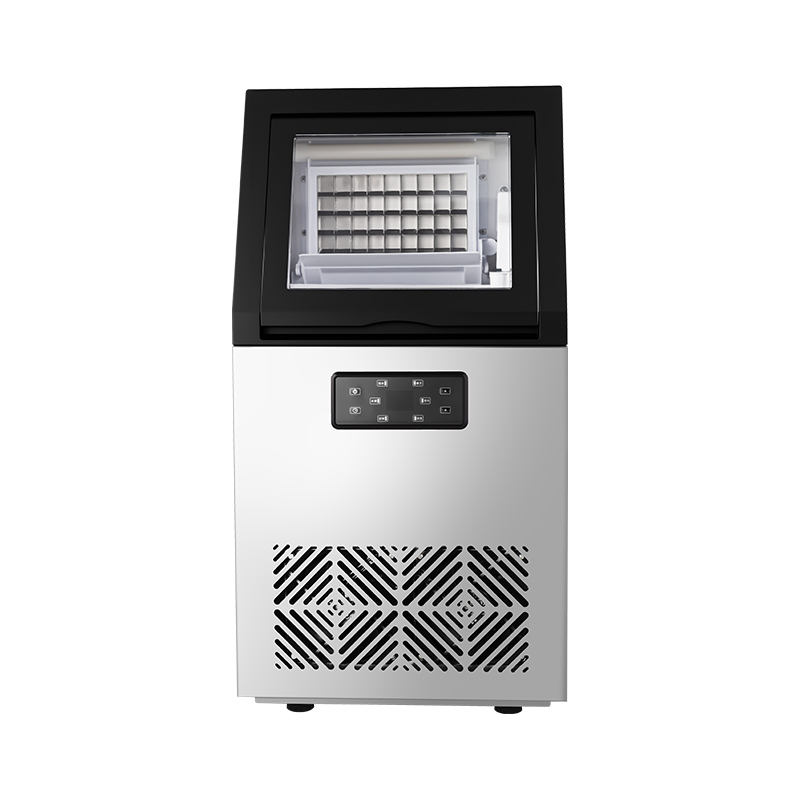 SMK-45F Heavy-Duty Cube Ice Maker with Integrated StorageA compact integrated cube maker with 45 kg daily output and 13 kg storage, built for venues that need a service-friendly heavy-duty machine.View Product →
For venues in that 60 to 100 kg/h band, a heavy-duty frame with a service-friendly layout is usually the sweet spot. Covaiy builds the SMK45F heavy-duty cube ice maker for exactly that middle tier, where the machine runs long shifts and cannot afford a mid-service failure.
Ice Shape Changes the Glass, the Cost and the Complaint Rate
Hard, clear cubes melt slowly and dilute less. Cloudy, wet cubes collapse in the glass and cost you syrup, spirit and goodwill. Shape and freezing method drive both, so settle the ice form before comparing prices.
- Standard cube, roughly 22 to 30 mm: the workhorse for soft drinks, iced coffee and bar wells. Fast to produce, easy to scoop.
- Large or gourmet cube, 40 to 55 mm: slower melt for whisky, premium serves and unhurried dining rooms.
- Crescent and nugget: shape-led choices for display cases, smoothies and chewable ice, with different bin and dispenser behaviour.
- Spray and immersion systems: the route to the clear cube that photographs well, at the price of tighter water treatment and longer cycles.
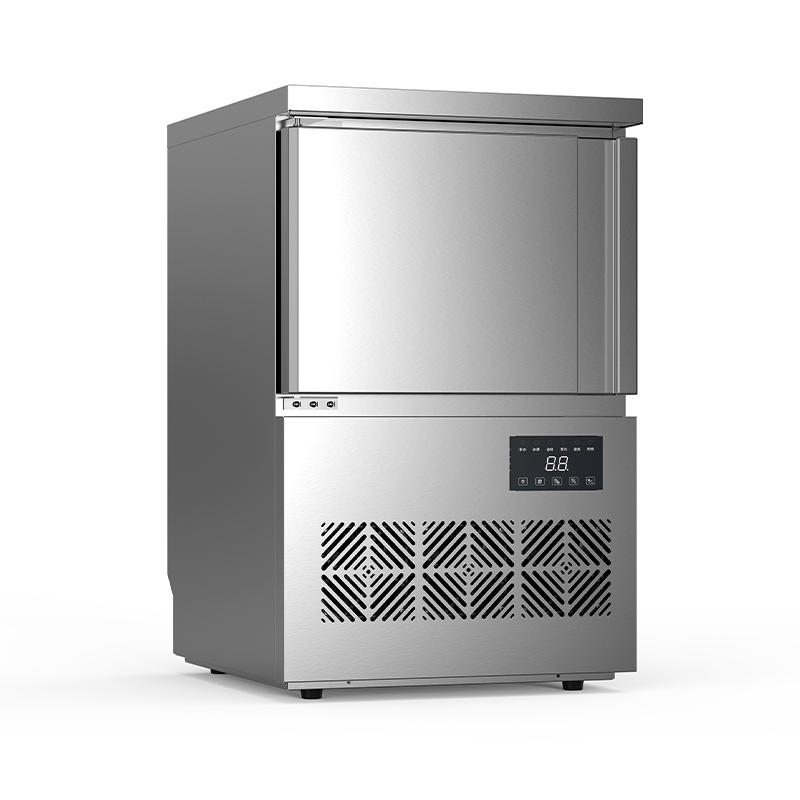 SMK-35P Spray Cubic Ice Machine for Clear IceA spray-system commercial ice maker designed for crystal-clear cubes, suited to front-of-house bars and cafes where clarity and slow melting matter.View Product →
When clarity is the selling point, a spray-system machine is the honest answer. Covaiy makes the SMK35P spray cubic ice machine for that brief; it is slower and more water-sensitive than a standard cube unit, so it belongs in the front of house, not the back corridor.
Air, Water and Siting: The Costs That Surface After Install
Most disappointing installs are siting problems wearing a maintenance disguise. Check these before the order goes out:
- Make-up air and exhaust. Confirm the room can carry the machine's heat load away; otherwise specify a water-cooled or remote-condenser package.
- Water hardness and filtration. Scale above roughly 200 mg/L as CaCO3 will coat an evaporator within months, so budget a sediment and carbon set plus a scale-reduction cartridge.
- Ambient tolerance. Many units are rated from 5 to 40 °C, but output typically slides once the room holds above 32 °C for hours.
- Clearances and drainage. Side and rear gaps for airflow, plus a drain line with fall that no one boxes in later.
- Walking distance. A bin 15 metres from the well is a bin that gets emptied at the wrong moment; count steps, not metres.
None of this is exotic. Each item costs little to fix on a drawing and a great deal to fix in a finished kitchen.
Undercounter, Modular or Dispenser: Where Each One Fits
Undercounter units
The right answer when the bar is a few steps from the machine and peak demand is moderate. Sliding under a 900 mm counter keeps servicing simple, but check the height with legs and the door swing, and never seal the front grille with a cabinet panel.
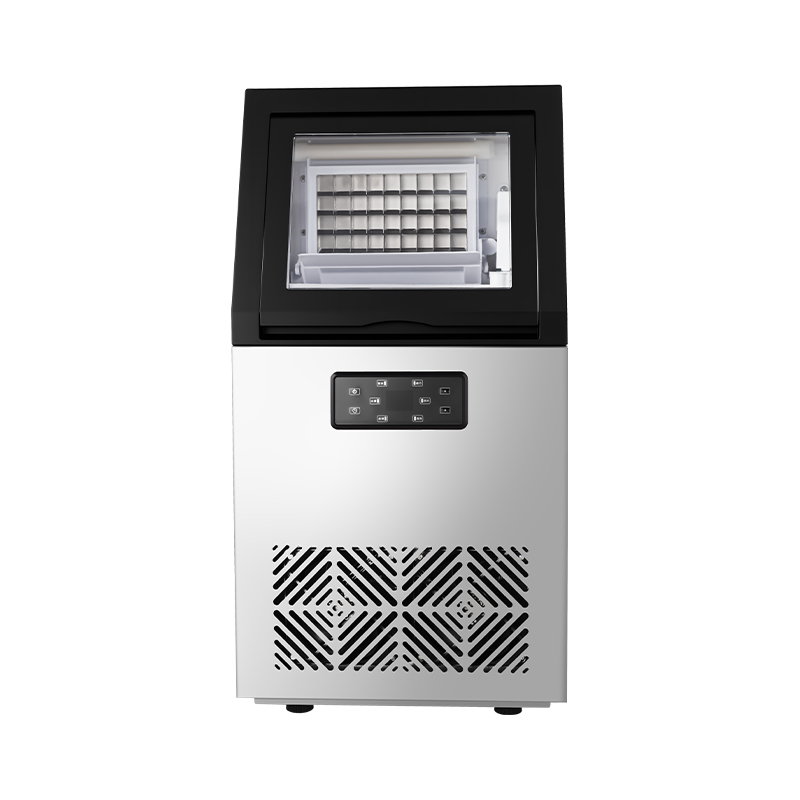 SMK-24F Full-Cube Undercounter Ice MakerA compact undercounter unit producing 24 kg of full cubes daily with 5 kg storage, suited to counter-service bars with limited space.View Product →
Covaiy's SMK24F full-cube undercounter ice maker is the compact end of that family, sized for counter service where space is the constraint and a full-size cube is still expected.
Modular heads and remote bins
When output passes roughly 60 kg per hour, separating the head from the bin pays off: the head sits where heat can escape, the bin sits where staff actually work, and a second head can be stacked later without touching the plumbing. It also lets you size the bin for the shift rather than the machine.
What to Verify When You Buy Through an OEM or ODM Partner
A sample that passes in a 22 °C lab tells you very little about a 38 °C beach bar in August. Ask for a pull-down test record at the ambient temperature your site will actually see.
Beyond that, four checks separate a reliable supplier from a cheap one:
- Electrical match: voltage, frequency and plug type confirmed in writing, since a 60 Hz build and a 50 Hz market do not behave the same.
- Refrigerant documentation: which gas, which charge, and whether it will still be serviceable in your market in five years.
- Spare parts kit: one water valve, one set of curtains or seals and a scoop, shipped with the first container.
- Pre-shipment inspection report with cycle times and amp draw, not just a photo of a pallet.
Covaiy has manufactured water-related appliances from Cixi, Zhejiang since 2003, with more than 260 staff and at least 30 new models introduced each year. Every Covaiy ice machine is inspected before dispatch, and ODM projects cover logo, housing, voltage and packaging. Buyers who want to see the lines and test bays before committing can review the factory pages and request a live video walkthrough.
A Short Checklist Before You Sign
Bring these seven answers to any supplier conversation and the specification stops being a negotiation about adjectives:
- Kilograms required in the busiest hour, with the buffer already added.
- Ambient and incoming water temperature at the install point.
- Ice shape, cube dimensions and clarity expectation.
- Bin capacity in kilograms and where it physically sits.
- Cooling method, plus how the heat leaves the room.
- Voltage, frequency and refrigerant for the destination market.
- Service parts availability and the name of who responds first.
None of these take long to answer. Together they tell you whether the machine you are being sold will still be keeping pace on the busiest night of the year, which is the only performance figure that matters.
Related Product
-
-
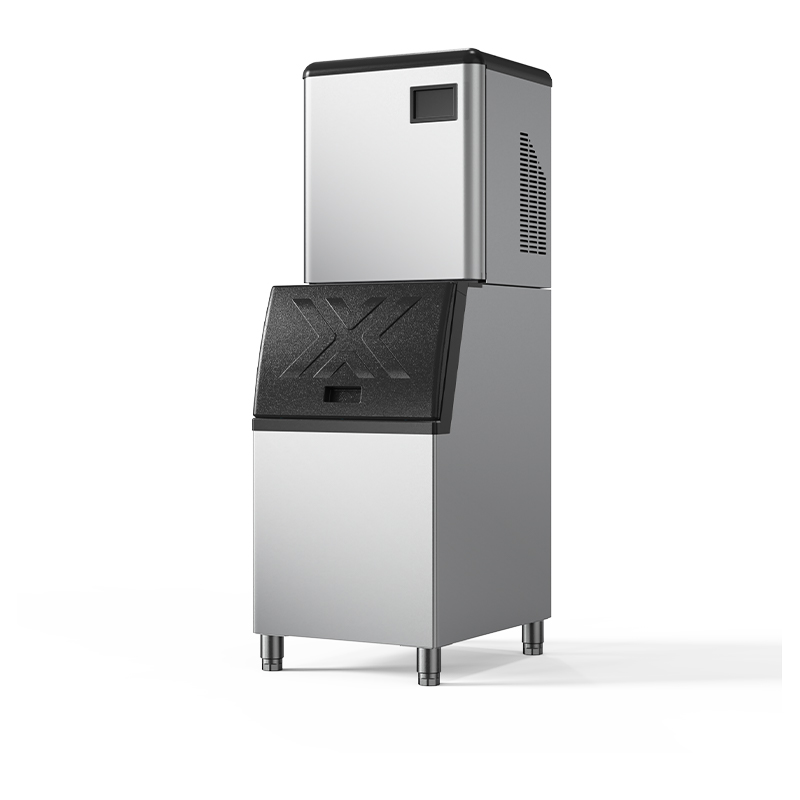
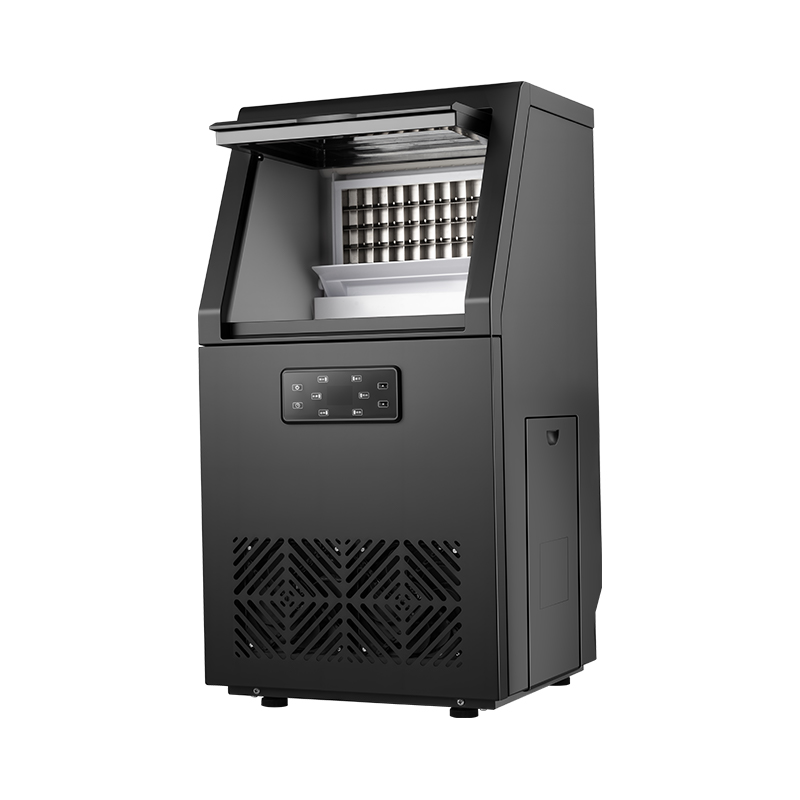
SMK-156F for High-Capacity Cube Ice Maker— A Commercial Flagship and Production Powerhouse
+ VIEW MORE -
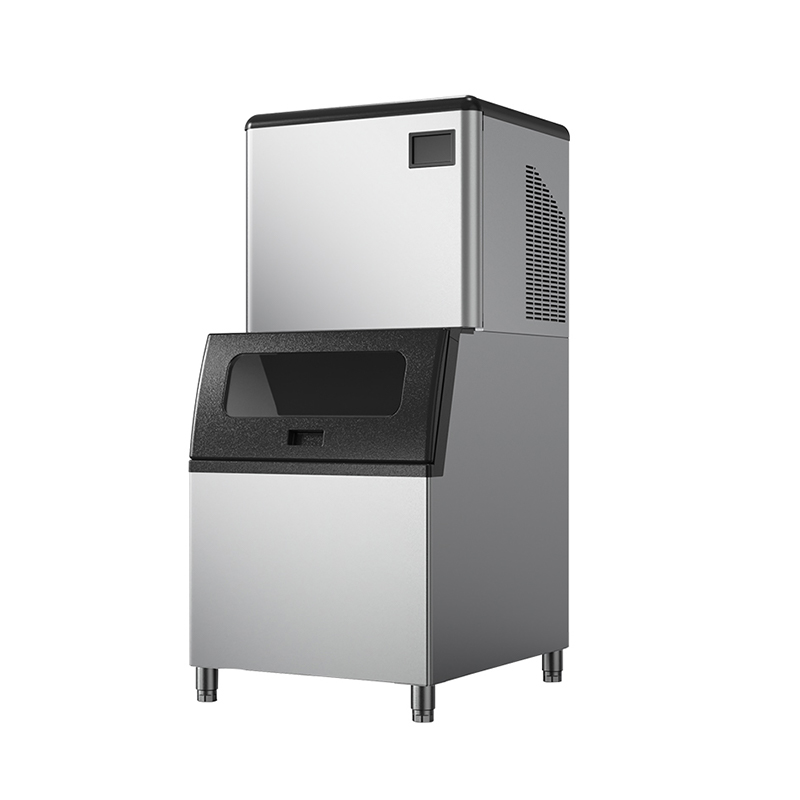
SMK-399F 400kg Commercial Ice Maker 400kg Commercial Ice Maker is designed for businesses that requi...
+ VIEW MORE -
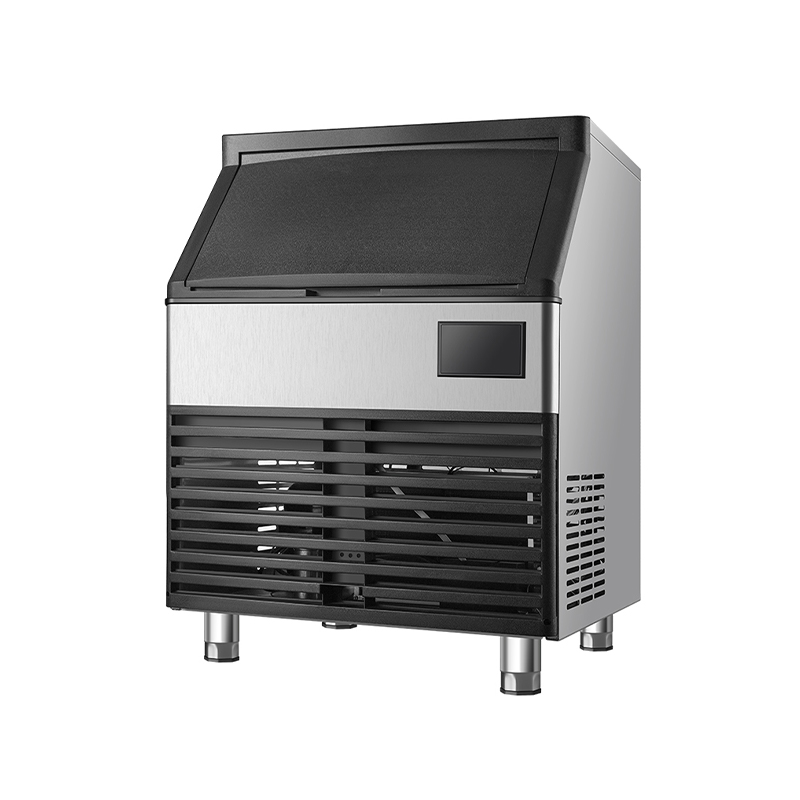
SMK-140F 140kg Commercial Ice Maker 140kg Commercial Ice Maker is designed to meet the daily ice dem...
+ VIEW MORE -
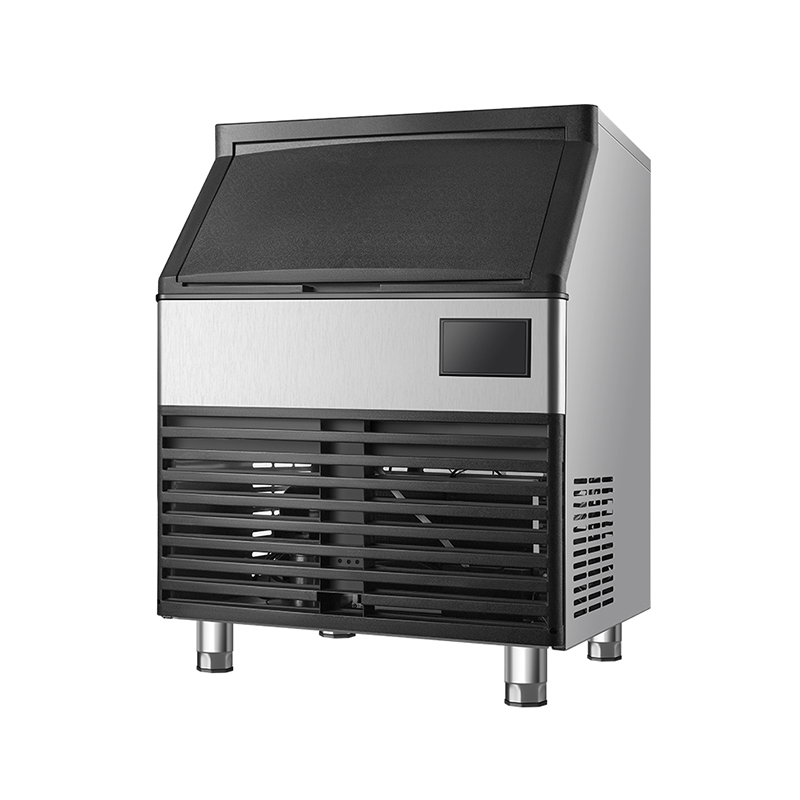
SMK-126F 135kg Commercial Ice Maker 135kg Commercial Ice Maker is designed to meet the daily ice-mak...
+ VIEW MORE -
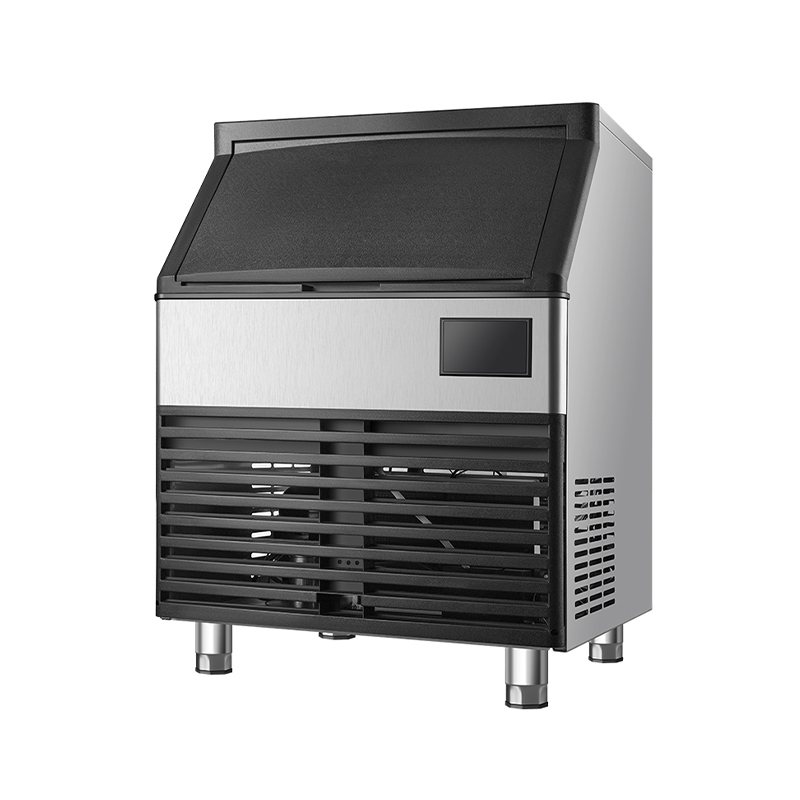
SMK-108F 108-Cube Ice Maker 108-Cube Ice Maker is designed to meet the daily ice-making needs of res...
+ VIEW MORE


Product Categories
Cube Ice Machine Flake Ice Machine Nugget Ice Machine Crescent Ice Machine Gourmet Ice Machine Ice DispenserContact
 info@covaiy.com
 +1 (618) 886-8178 /+16188868178
 No. 6 Wei'er Road, Xigong District, Xinpu Town, Cixi City, Zhejiang Province, China
Copyright © Cixi City Sharmoon Electric Co., Ltd. All Rights Reserved
Custom commercial ice machine outdoor Manufacturer
OEM/ODM commercial ice machine company
