A flake ice maker produces thin, flat ice pieces with a soft, moldable texture that is ideal for rapid cooling across a wide range of commercial and industrial applications. Unlike cubed ice, flake ice offers a larger surface-area-to-mass ratio, enabling faster and more uniform temperature transfer. From seafood display counters to concrete mixing in construction, the commercial flake ice maker has become an indispensable piece of equipment in modern cold-chain operations. This article explores how flake ice machines work, their key advantages, common use cases, and answers to frequently asked questions.
How a Flake Ice Machine Works
The core mechanism of an ice flake making machine involves a refrigerated drum or evaporator cylinder that rotates continuously. Water is distributed evenly over the outer or inner surface of this drum, where it freezes into a thin ice sheet. A stainless-steel ice-scraping blade then harvests the sheet in small, irregular flake pieces — typically 2 mm to 3 mm thick.
The refrigeration system uses a compressor, condenser, and expansion valve to maintain the drum surface at temperatures as low as −10 °C to −15 °C. Most modern commercial flake ice makers use air-cooled or water-cooled condensers depending on the installation environment. The result is a continuous, high-volume output of dry, non-adhesive flake ice — typically ready within minutes of startup.
Key Advantages of Flake Ice Over Other Ice Forms
Compared to cube ice or block ice, flake ice delivers measurable performance benefits in temperature-sensitive applications. The table below provides a quick comparison:
| Ice Type |
Thickness |
Cooling Speed |
Surface Contact |
Typical Use |
| Flake Ice |
2–3 mm |
Very Fast |
Maximum |
Seafood, produce, healthcare |
| Cube Ice |
25–35 mm |
Moderate |
Limited |
Beverages, retail displays |
| Block Ice |
50+ mm |
Slow |
Minimal |
Long-haul transport, fishing |
Table 1: Comparison of common commercial ice types by key performance parameters
Flake ice is also non-damaging to delicate products — its soft texture wraps around irregular shapes like fresh fish or medical specimens without bruising or puncturing them. This makes it the preferred choice in supermarket display cases, hospital laboratories, and poultry processing plants worldwide.
Industries and Applications That Rely on Commercial Flake Ice Makers
The versatility of flake ice means that a single commercial flake ice maker can serve very different industries depending on its capacity and configuration. Common sectors include:
- Food retail and hospitality: Supermarkets and fishmongers use flake ice in open display counters to preserve the visual freshness of seafood and meat while keeping surface temperatures below 4 °C.
- Healthcare and pharmaceuticals: Blood banks and laboratories rely on flake ice to maintain strict temperature ranges for samples and reagents without the risk of freezer burn.
- Food processing: Meat, poultry, and dough manufacturers mix flake ice directly into products during processing to control dough temperature and prevent bacterial growth.
- Construction: In hot-climate concrete mixing, flake ice replaces part of the mixing water to reduce the hydration temperature of cement and improve structural integrity.
- Aquaculture and fishing vessels: Offshore fishing boats use high-capacity ice flake making machines to preserve the catch directly at sea.
Choosing the Right Flake Ice Machine for Your Needs
Selecting the correct capacity and configuration is critical to achieving cost-effective operation. Key parameters to evaluate include:
- Daily output capacity: Small venues such as cafés may require as little as 30–50 kg/day, while large seafood processing plants may need machines rated at 3,000–10,000 kg/day.
- Condenser type: Air-cooled units are easier to install; water-cooled units offer higher efficiency in hot environments but require a water source and drainage.
- Material and hygiene standards: Food-grade stainless steel (304 or 316) interiors are essential for applications in food handling or healthcare.
- Energy efficiency rating: Look for models with inverter-driven compressors or auto-cleaning functions to reduce operating costs over time.
- OEM/ODM availability: For distributors and resellers, working with an experienced OEM manufacturer allows brand customization, private-label packaging, and product specification adjustments to match regional markets.
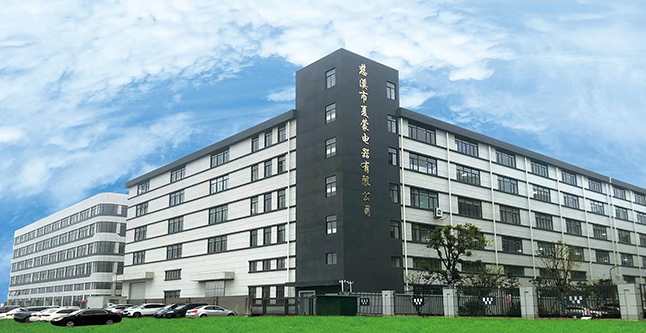
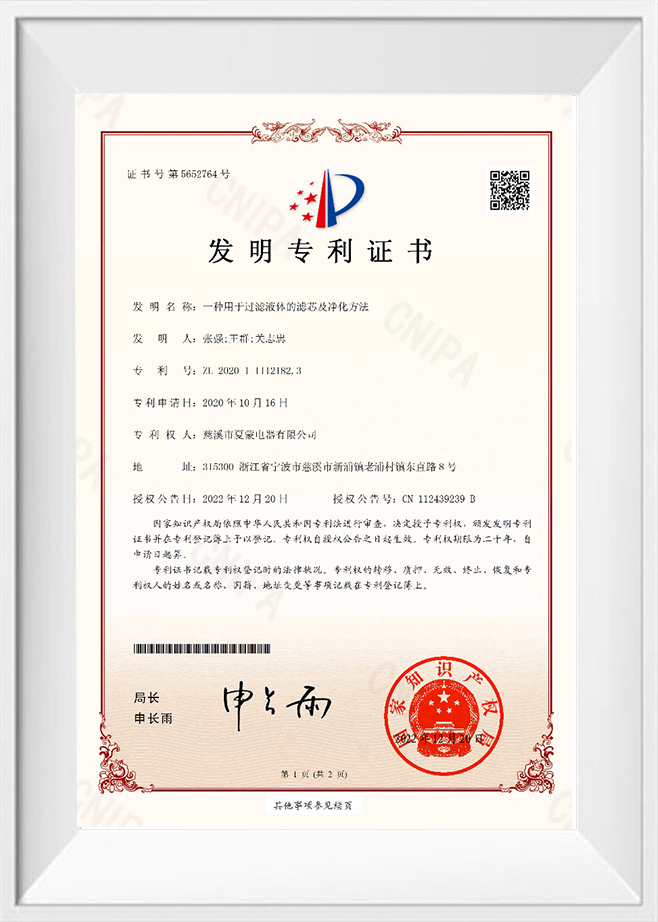
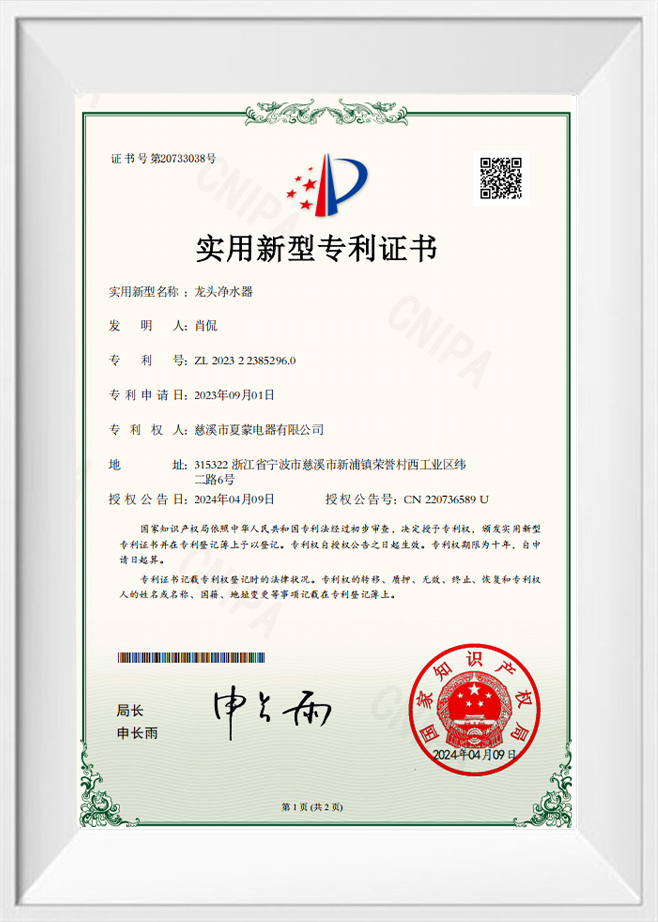
As an OEM commercial ice maker manufacturer and ODM ice machine factory, Cixi City Sharmoon Electric Co., Ltd, founded in 2003, supports global buyers with tailored commercial flake ice maker solutions backed by automated manufacturing lines and a dedicated R&D team. With over 260 employees and no fewer than 30 new product launches per year, Sharmoon provides professional customization for wholesale and distribution customers worldwide.
Flake Ice Machine for Home: Is It a Practical Option?
The growing popularity of home entertaining, home bars, and high-end kitchen setups has fueled demand for a flake ice machine for home use. Compact countertop models designed for residential environments are now available, typically producing 10–20 kg of flake ice per day — more than enough for a household or small gathering.
Home flake ice machines are favored for making cocktails, smoothies, and shaved-ice desserts, as the soft texture blends easily and chills drinks faster than conventional cube ice. Most residential units are air-cooled, self-contained, and require only a standard power outlet and periodic water refilling — no plumbing required. When evaluating a home unit, prioritize low noise levels (under 45 dB), compact footprint, and easy-clean drip trays.
Frequently Asked Questions
Q1. What is the difference between a flake ice maker and a nugget ice maker?
A flake ice maker produces thin, flat, dry ice pieces (2–3 mm) by scraping a frozen drum. A nugget ice maker compresses flake ice into small, chewable cylindrical pellets. Flake ice is preferred for product display and processing; nugget ice is more popular in beverages and healthcare settings due to its softer, chewable texture.
Q2. How often does a commercial flake ice maker need to be cleaned?
For food-grade applications, it is recommended to clean and sanitize the water system and ice-contact surfaces every 3–6 months, or more frequently in high-mineral-content water areas. Many commercial units include automatic self-cleaning cycles that reduce manual maintenance requirements significantly.
Q3. Can an ice flake making machine operate in high ambient temperatures?
Yes, but performance will vary. Most air-cooled units are rated for ambient temperatures up to 38 °C (100 °F), though output capacity may decrease by 10–20% in peak summer conditions. For installations in hot climates or confined spaces, water-cooled models are the more reliable choice as they are less affected by ambient air temperature.
Q4. What water quality is required for a flake ice machine?
Potable tap water is generally sufficient. However, water with high hardness (above 170 ppm calcium carbonate) can cause scale buildup on the evaporator drum, reducing efficiency and shortening component life. Installing an in-line water softener or filter is recommended in hard-water regions. For pharmaceutical or laboratory use, deionized or reverse-osmosis water may be specified.
Q5. What should I look for when sourcing a commercial flake ice maker from an OEM factory?
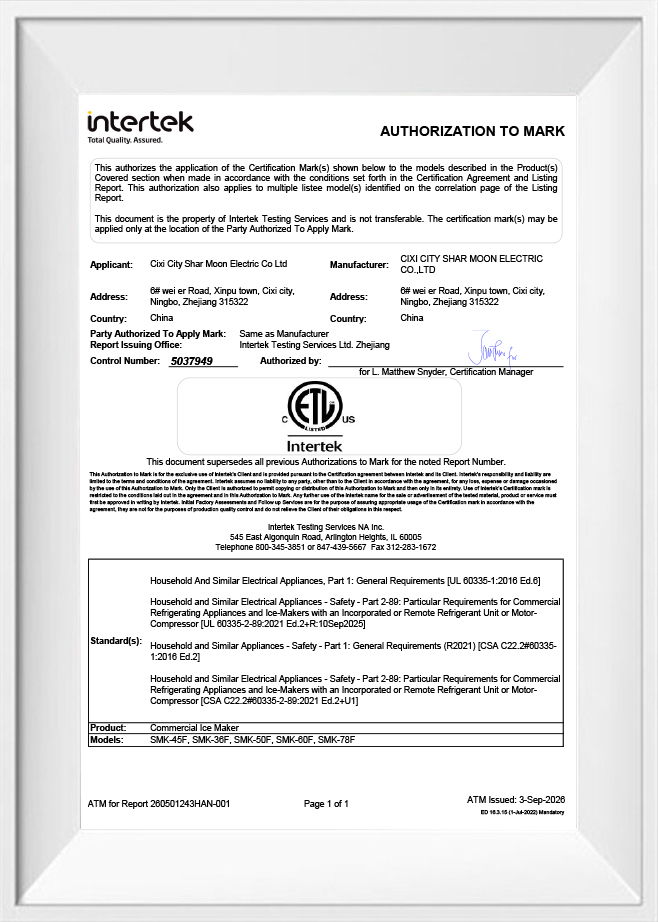
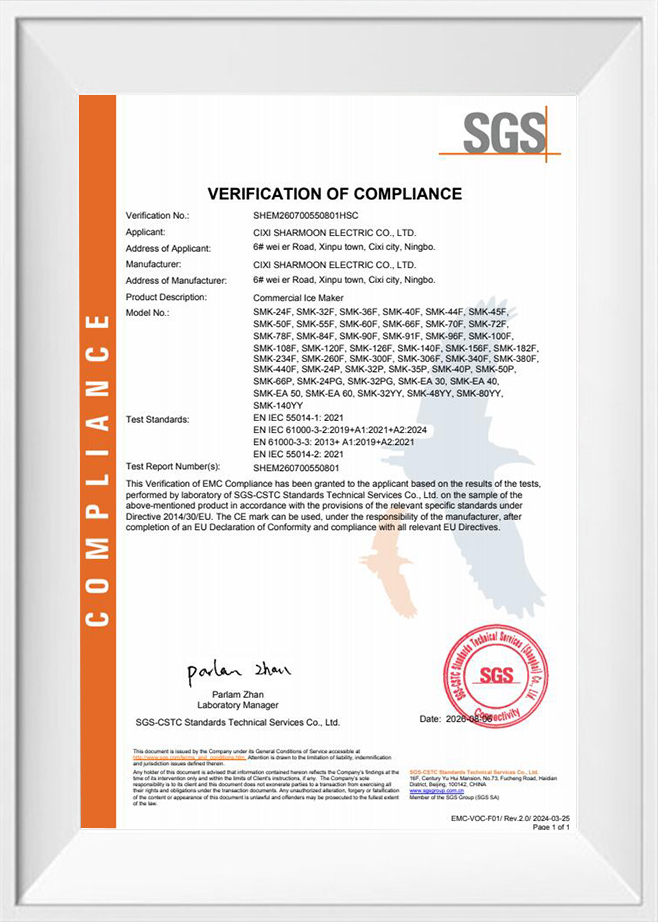
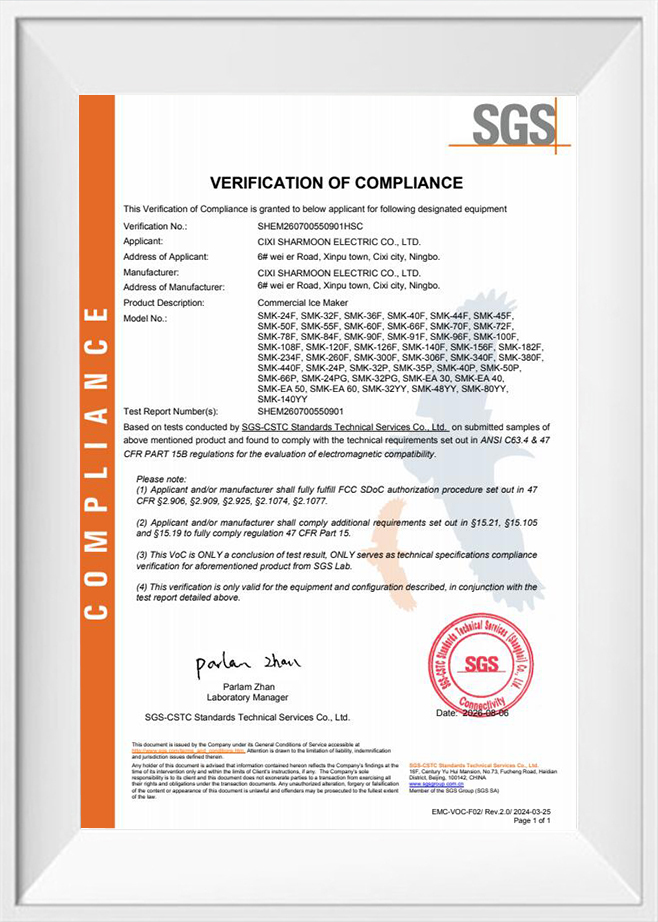
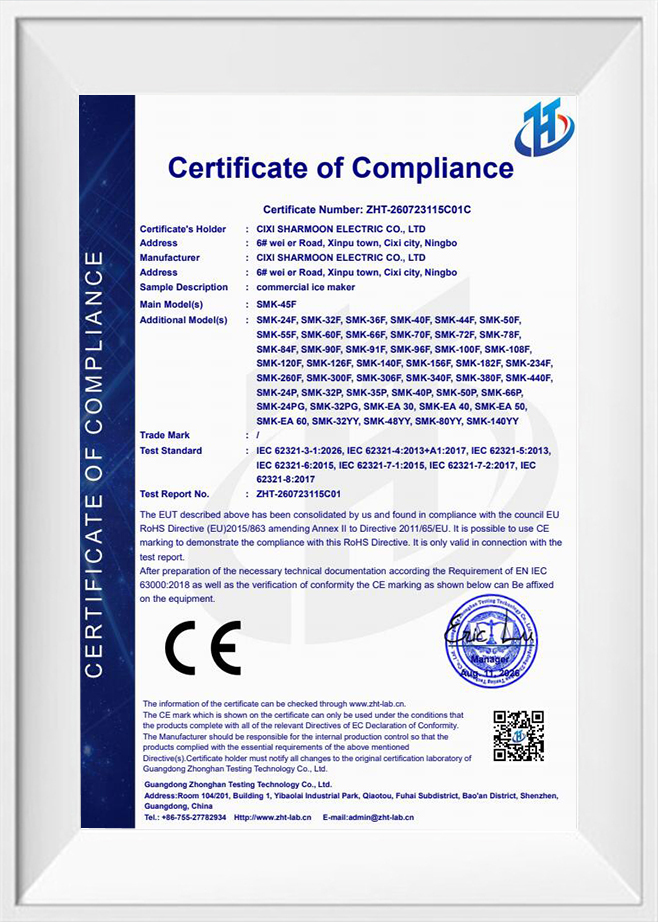
Key factors include: factory certifications (CE, ETL, NSF), minimum order quantities, lead times, customization scope (branding, voltage, capacity), and after-sales support. Partnering with an established ODM manufacturer that operates its own automated production lines — rather than a trading company — typically ensures tighter quality control, faster response to specification changes, and more competitive unit costs at scale.



 English
 Español



 info@covaiy.com
 +1 (618) 886-8178 /+16188868178
 No. 6 Wei'er Road, Xigong District, Xinpu Town, Cixi City, Zhejiang Province, China
