

 English
  Español
 Industry News
HOME / News & Share / Industry News / How Do I Make Ice Cubes Clear? 4 Proven Methods for Crystal-Clear Ice at Home
How Do I Make Ice Cubes Clear? 4 Proven Methods for Crystal-Clear Ice at Home
Sharmoon appreciates your support and sincerely looks forward to cooperating with you for mutual development!
Content
If your ice cubes look like frosted glass instead of crystal-clear bars, the problem is not the water alone. It is how the water freezes. Commercial clear ice makers control freezing direction, water flow, and temperature so that dissolved gases and minerals are pushed away from the ice, not trapped inside it. At home, you can get close to that result with four practical methods: double boiling, directional freezing in a cooler, clear-ice molds, and surface polishing. Each method has a different trade-off between effort, time, and clarity. For bars, restaurants, and hotels that need a steady supply, a commercial cube ice maker is the only realistic way to produce clear ice at volume.
Why Regular Ice Cubes Turn Cloudy
Tap water contains dissolved air, mainly oxygen, nitrogen, and carbon dioxide, plus small amounts of calcium and magnesium. When water freezes quickly from all sides, the growing ice crystals reject these impurities. But because the freeze front closes in from the edges toward the center, the last liquid pocket in the middle becomes a concentrated mix of bubbles and minerals. That is the white cloud you see. Clear ice requires a single, slow freeze direction. If the water freezes from the top down, the impurities are pushed downward into the last unfrozen water. You then cut or melt away that cloudy bottom section. The same principle applies to commercial ice machines, which use spray systems or heated molds to keep the freeze front moving in one direction.
- Freezing speed: slower is better for clarity.
- Freezing direction: top-to-bottom or bottom-to-top, but never all sides at once.
- Dissolved gases: boiling can reduce them.
- Water hardness: high mineral content needs filtration.
Method 1: Double Boiling
Bring water to a rolling boil, then let it cool to room temperature. Boil it again, then cool again. This two-step boiling drives off dissolved gases and can improve clarity by 20–30% compared with tap water. It will not remove minerals, so hard water still produces slightly cloudy ice. Use this method when you want a simple improvement without special equipment.
- Fill a kettle or pot with filtered water.
- Boil for 2 minutes, then turn off the heat.
- Let the water cool completely.
- Repeat the boil and cool cycle once more.
- Pour the cooled water into your ice tray and freeze for 12–24 hours.
Result: clearer than normal, but not perfectly transparent. Best for everyday drinks where perfect clarity is not critical.
Method 2: Directional Freezing (Cooler Method)
This is the most reliable home method. You need a small insulated cooler or a foam box. Remove the lid. Fill the cooler with water, leaving about 2 cm of headspace. Place it in a freezer set to -18°C or colder. Because the cooler walls insulate the sides and bottom, cold air only reaches the open top. The water freezes from the top down, pushing bubbles and minerals to the bottom. After 24–30 hours, a thick clear block forms on top, with cloudy ice below.
Take the block out, let it sit at room temperature for 10 minutes, then use a knife or saw to cut off the cloudy bottom. You now have clear ice for cocktails or display. For best results, use filtered water and keep the cooler away from the freezer fan. A 5-liter cooler yields about 3–4 liters of clear ice.
Method 3: Clear Ice Molds
Special clear ice molds use the same directional freezing principle in a smaller package. They typically have an insulated shell that limits freezing to one side, plus a silicone tray for easy release. Fill the mold with boiled, cooled water, place it in the freezer, and wait 24–48 hours. Square molds produce large cubes for whiskey; sphere molds make round balls. These molds are convenient and repeatable, but each batch is small. For a dinner party, you may need multiple molds or several freezing cycles. Always leave enough space around the mold for air circulation. If the mold comes with a lid, follow the manufacturer’s instructions, as some designs freeze from the bottom instead of the top.
Method 4: Polishing Cloudy Ice
If you already have cloudy ice, you can polish the outside. Take a clean metal pan, ceramic plate, or glass pie dish. Place the ice cube on the surface and rub it gently with your hand or a cloth. The slight warmth melts a thin layer of ice, which refreezes smoothly and transparently. This does not remove internal cloudiness, but it makes the surface shine. It is a quick fix for presentation.
- Let the ice sit for 1–2 minutes to slightly soften.
- Place it on the clean metal surface.
- Rub the surface with your palm for 10–15 seconds.
- Turn the cube and repeat on all sides.
- Return to the freezer for 5 minutes before serving.
This method works best on cubes that are only slightly cloudy. If the center is white, polishing will not help.
How Commercial Ice Makers Produce Clear Ice
Commercial cube ice makers do not rely on home tricks. They use a spray system or a vertical freezing plate. In a spray-type machine, water is pumped over inverted molds layer by layer. The purest water freezes first, while impurities are washed away by the flowing water. In a plate-type machine, water flows down a cold plate, and the clear ice sheet is later cut into cubes. The result is consistent, hard, slow-melting ice with high transparency. The refrigeration cycle plays a direct role in ice quality, because stable temperatures and even refrigerant flow prevent cloudy pockets from forming.
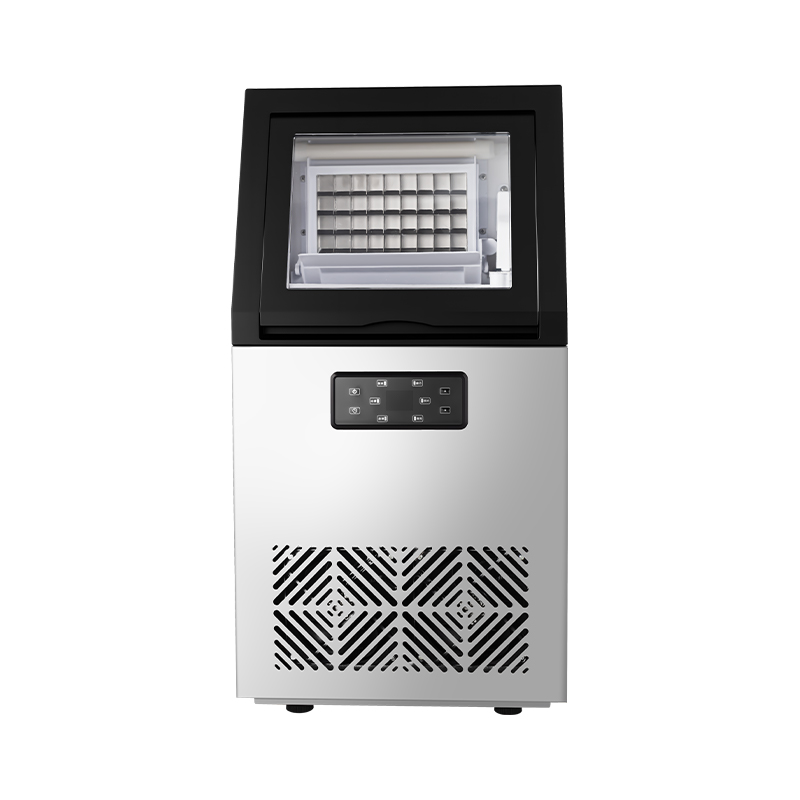 SMK-24F Full-Cube Undercounter Ice MakerThe SMK-24F Full-Cube Undercounter Ice Maker is a fully automated ice-making unit meticulously designed for commercial kitchens and beverage establishments. By ingenio...View Product →
If you run a bar, restaurant, or hotel, the right machine depends on your daily volume and available space. Undercounter models such as the SMK24F fit below a counter and produce around 24 kg per day. For higher demand, heavy-duty models like the SMK45F deliver larger batches and better energy efficiency. Modular units such as the SMK78F can be stacked or combined to match growing needs. To discuss the right capacity for your site, contact our team for a quote.
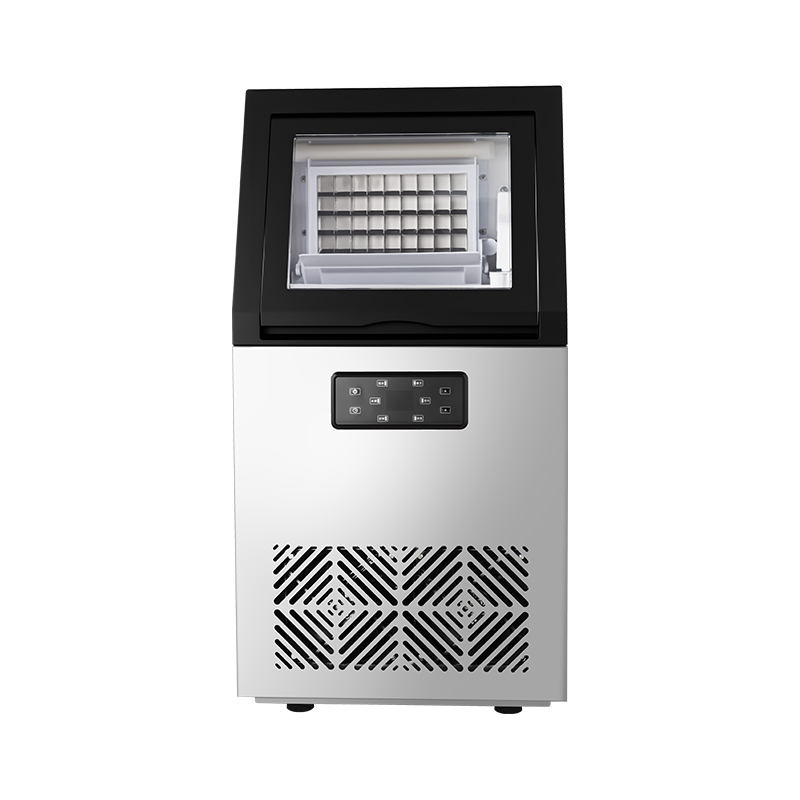 SMK-45F Heavy-Duty CUBE ICE MAKERThe SMK-45F Heavy-Duty CUBE ICE MAKER is a specialized ice-making solution designed specifically for high-demand commercial environments. It incorporates advanced "int...View Product →
 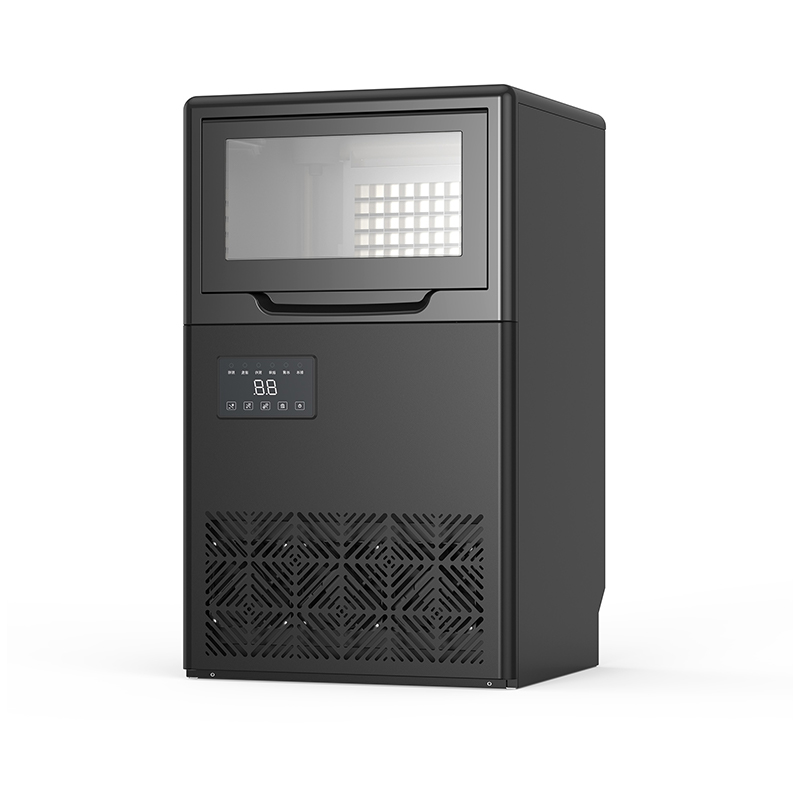 SMK-78F Modular Cube Ice MakerThe SMK-78F Modular Cube Ice Maker is a fully automated device engineered specifically for high-efficiency ice production and modular expandability. It seamlessly inte...View Product →
Comparing Methods and Buying Considerations
Use the table below to compare effort, time, and clarity. For home use, directional freezing gives the best balance. Double boiling is the easiest but least effective. Clear-ice molds are convenient but low volume. Polishing only improves appearance. For commercial operations, the decision is different. You need to consider daily ice demand, available floor space, water quality, and refrigeration type. A machine rated for 50 kg per day will not keep up with a busy cocktail bar. Check the ambient temperature range and water inlet pressure before purchase. Hard water above 200 ppm will require a water softener or filter to protect the machine and maintain clarity.
| Method | Time | Equipment | Clarity |
|---|---|---|---|
| Double boiling | 12–24 h | Pot, ice tray | Moderate |
| Directional freezing | 24–30 h | Insulated cooler | High |
| Clear ice molds | 24–48 h | Specialty mold | High |
| Commercial cube ice maker | Continuous | Spray or plate machine | Very high |
No single trick works for every situation. If you want clear ice at home, start with directional freezing in a small cooler. It costs almost nothing and gives the best clarity. If you need clear ice every day for a business, choose a commercial cube ice maker sized to your peak demand. Keep the machine clean, replace filters on schedule, and store ice in a dedicated bin away from strong odors. Clear ice is not just about appearance; it melts slower and dilutes drinks less. That matters for both a home bar and a professional cocktail program.
Related Product
-
-
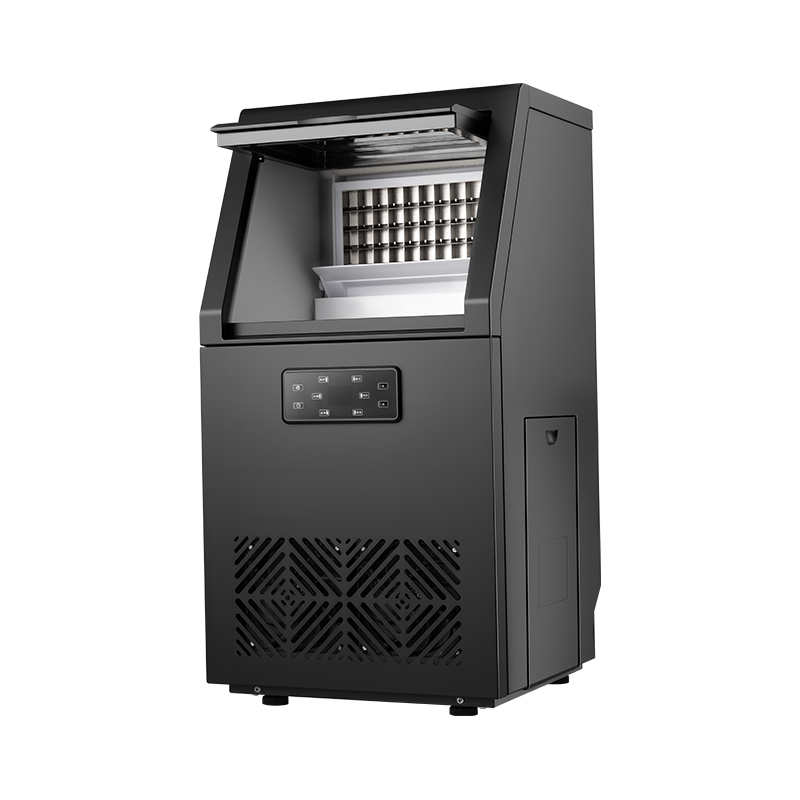
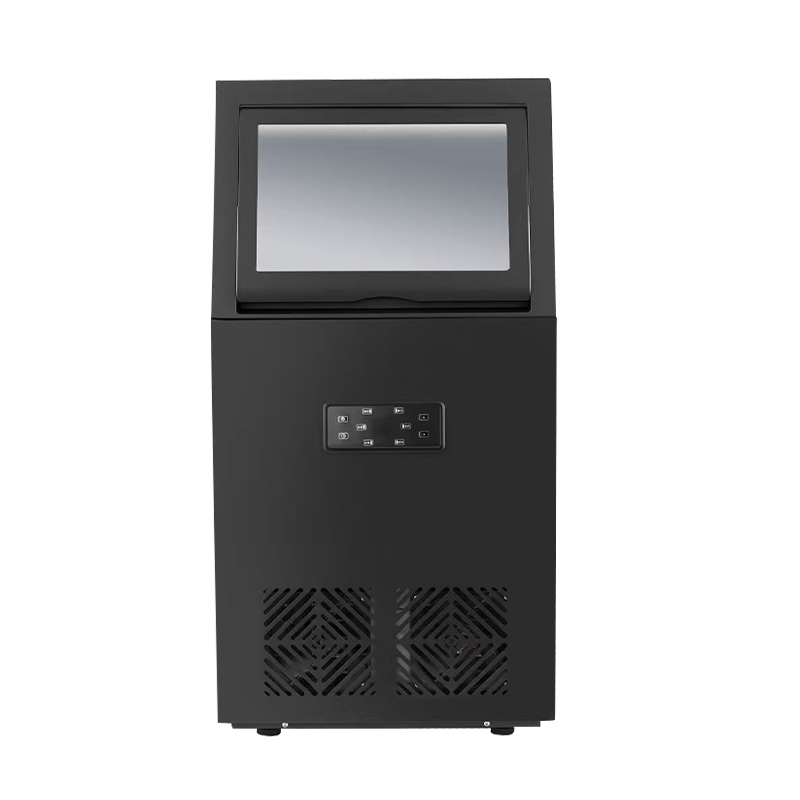
The SMK-60F High-Density Integrated Ice Maker is a highly efficient ice-making solution engineered s...
+ VIEW MORE -
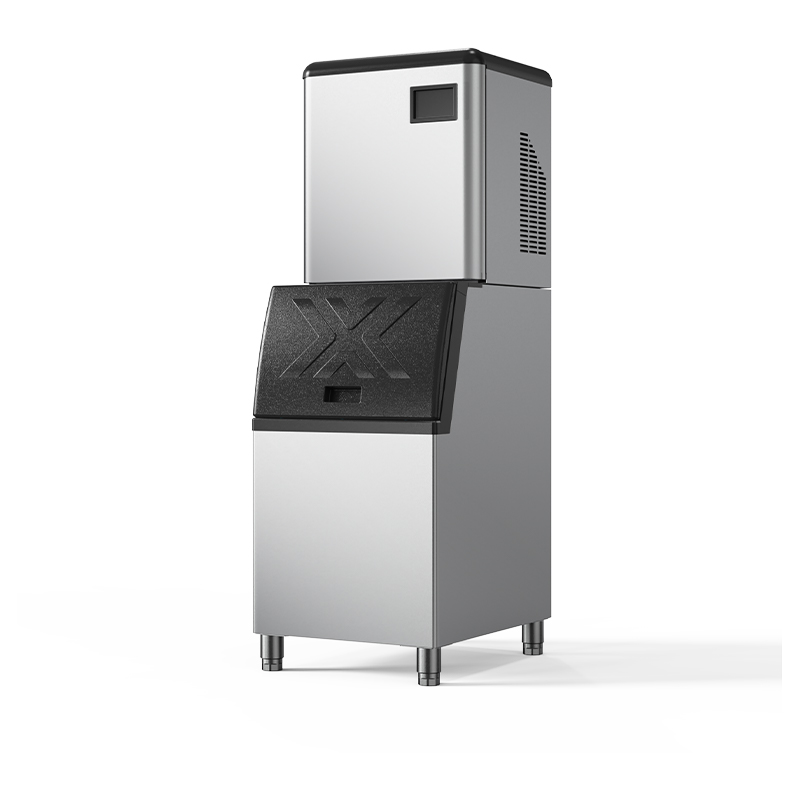
SMK-156 for High-Capacity Cube Ice Maker— A Commercial Flagship and Production Powerhouse
+ VIEW MORE -
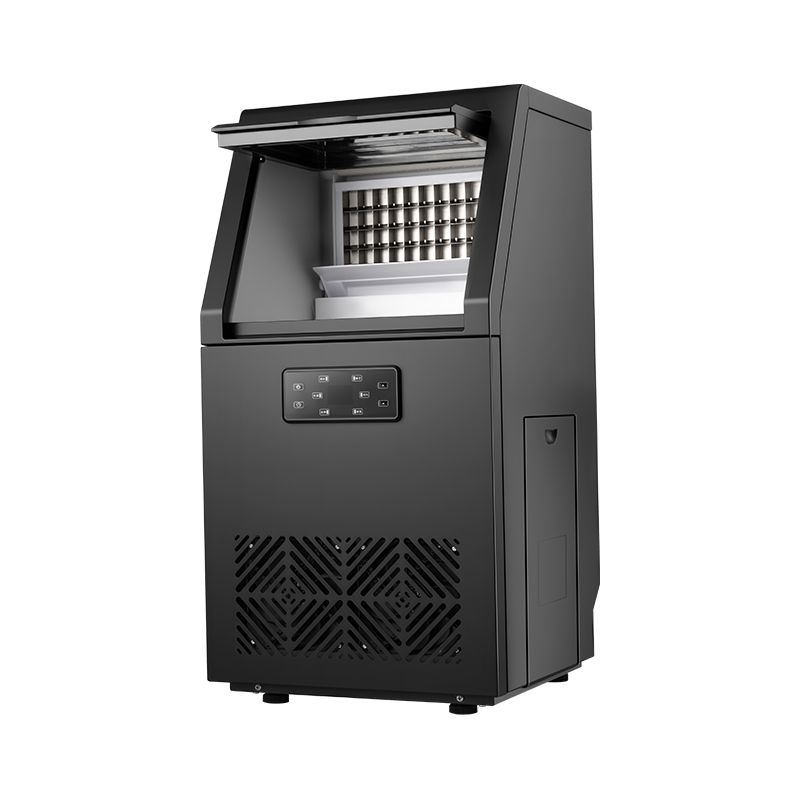
The SMK-32F Smart Integrated Commercial Ice Maker is a highly efficient ice-making device specifical...
+ VIEW MORE -
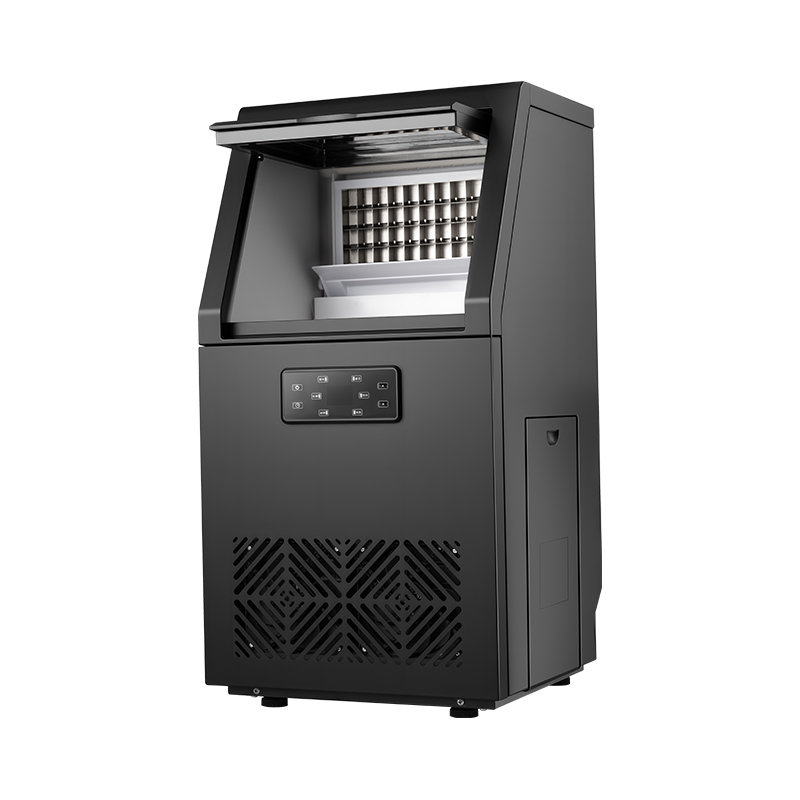
The SMK-24F Full-Cube Undercounter Ice Maker is a fully automated ice-making unit meticulously desig...
+ VIEW MORE -
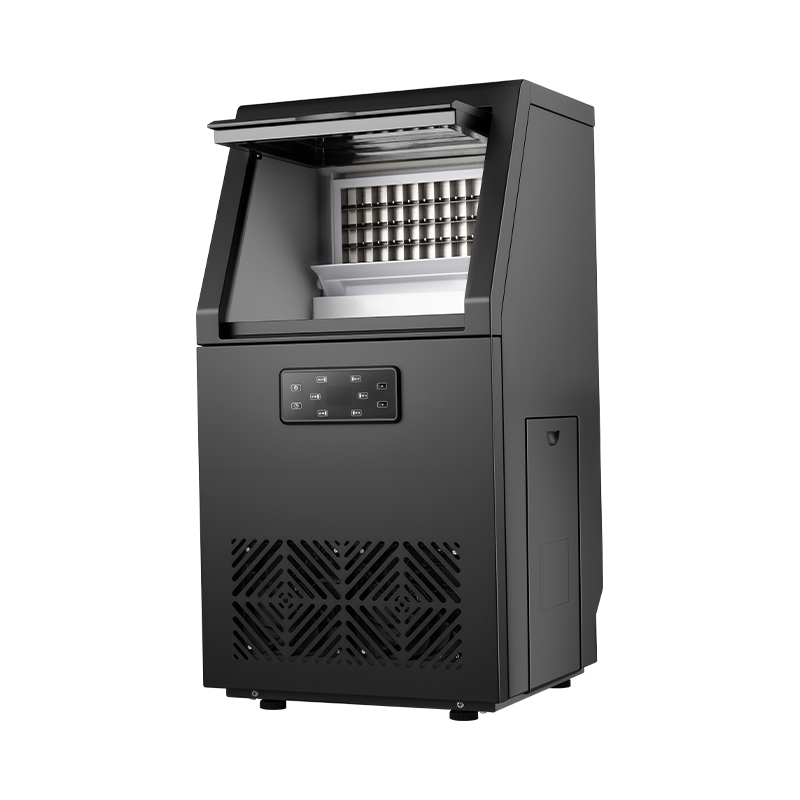
SMK-50F Air-Cooled Indoor Ice Maker is a fully automated device engineered specifically for efficien...
+ VIEW MORE


Product Categories
Cube Ice Maker Flake Ice Maker Extruded Pellet Ice Maker Split Type Cube Ice Maker Snowflake Ice MakerContact
 xiameng301@gmail.com
 +1 (618) 886-8178 /+16188868178
 No. 6 Wei'er Road, Xigong District, Xinpu Town, Cixi City, Zhejiang Province, China
Copyright © Cixi City Sharmoon Electric Co., Ltd. All Rights Reserved
Custom commercial ice machine outdoor Manufacturer
OEM/ODM commercial ice machine company
