The SMK-84F High-Capacity Cube Ice Machine is an industrial-grade ice-making solution specifically e...
+ VIEW MORE
+1 (618) 886-8178


Get A Quote
 Industry News
HOME / News & Share / Industry News / Machine to Make Ice Cubes: Cube Formats, Real Capacity and Buying Specs
Machine to Make Ice Cubes: Cube Formats, Real Capacity and Buying Specs
Sharmoon appreciates your support and sincerely looks forward to cooperating with you for mutual development!
Content
A hotel kitchen orders a machine rated at 500 lb of ice a day. It gets installed beside the dish pit, where the air sits near 90°F on a summer service, and on the first busy Friday it delivers closer to 380 lb. Nothing is broken. The unit is doing exactly what its rating conditions promised, and nobody checked those conditions before the purchase order went out.
That gap between nameplate and reality explains most cube-ice complaints we see at Covaiy. The practical way to choose a machine to make ice cubes is to work backwards: fix the cube format first, then read the harvest rate at your real ambient temperature, then size the bin, and only afterwards compare brands and price. Get those three right and the machine becomes boring, which is precisely what a buyer wants.
One cycle inside a machine to make ice cubes
Every cube ice maker is three systems working together: a refrigeration loop, a water circuit, and a harvest mechanism. Understanding the order of events makes a spec sheet readable.
- Fill and circulate. The reservoir fills to a set level and a pump lifts water over the evaporator, which is either a grid of individual cube cells or a flat plate carrying a mold pattern.
- Freeze in layers. Refrigerant evaporates inside the plate and pulls heat out of the water. Pure ice forms first against the cold metal, pushing dissolved minerals and air toward the middle of each cell, which is why the center of a standard commercial cube stays slightly cloudy.
- Judge the thickness. A probe, a harvest timer, or a pressure reading decides when the cube is thick enough. Too thin and the ice collapses before service; too thick and the machine burns energy while slowing down.
- Harvest. Hot refrigerant gas is routed through the evaporator to warm it a few degrees. The cubes release, slide onto a grid or cutter, and drop into the bin. The cycle restarts immediately.
A commercial cube cycle normally completes in 15 to 25 minutes and repeats while the bin calls for ice. Specialty formats such as gourmet big cubes and crystal cubes deliberately stretch that cycle, trading output for clarity and slow melt. The mechanics are covered in more depth in this breakdown of how a cube ice maker works.
Cube format settles half the specification
Buyers usually open with capacity and treat cube shape as an afterthought. In practice the format drives the evaporator design, the cycle time, the clarity ceiling, and the drink it suits.
| Format | Approx. size | Cycle behavior | Clarity | Typical use |
|---|---|---|---|---|
| Half dice | about 22 mm | fastest freeze | moderate | bars, high-turnover drinks |
| Full dice | about 30 mm | medium | moderate | restaurants, hotels, general service |
| Gourmet big cube | 45 to 55 mm | slow, long melt | high | whisky service, premium bars |
| Crescent | about 30 mm, curved | medium | good | soft drinks, care environments |
| Nugget | irregular chips | continuous extrusion | opaque | self-serve, chewable ice |
If the menu is iced coffee and cocktail service, half dice or full dice is the efficient answer. If ice is part of the presentation, a gourmet mold earns its slower cycle. Mixing both in one venue usually means two machines, because one evaporator cannot be all things.
Read capacity at your ambient, not at the rating
Nameplate output is measured under fixed conditions, typically 70°F air and 50°F water. Move the same unit into a 90°F kitchen and output drops, often by 15 to 25 percent, while the compressor works harder and runs hotter. A 500 lb machine in a warm back room behaves like a 380 to 420 lb machine, and that is the figure your peak shift actually has to survive.
- Size on the peak hour, not the average day. Count the busiest 60 minutes of filling, scooping and refilling, then add 20 to 30 percent headroom.
- Ask for a derating table. A serious supplier can quote capacity at 70°F, 80°F and 90°F air rather than one headline number.
- Match the bin to the day. Storage should hold roughly 30 to 50 percent of daily output; loose ice loses a few percent of its mass every hour in a warm room.
- Weigh air-cooled against water-cooled. Water-cooled condensers usually add capacity and run quieter, but they consume water and need a drain path.
- Confirm electrical and drainage. Voltage, phase, breaker size, and a gravity drain with fall are decided before delivery, not after.
Three duty points where buyers usually land
Covaiy builds cube machines around the three briefs that arrive most often. Each format below is a starting point rather than a catalogue limit, since the platform can be adapted for voltage, housing and packaging.
Undercounter full cube
For bars, coffee counters and small kitchens where the unit must sit beneath a worktop and the daily draw is modest. Full-cube mold, front air path, straightforward access for cleaning.
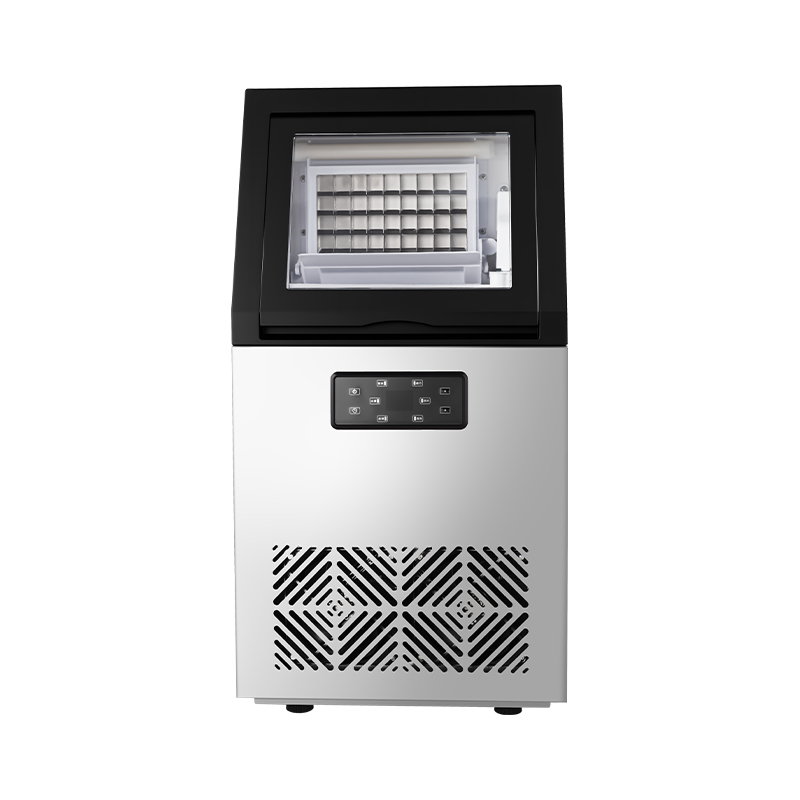 SMK-24F Full-Cube Undercounter Commercial Ice MakerCompact 24 kg/day full-cube undercounter maker for bars, coffee counters and small kitchens, with front air access and straightforward cleaning.View Product →
Modular cube head
When storage has to grow separately from production, a modular head sits on a remote bin or dispenser. Service access stays at counter height and the bin can be sized to the busiest shift.
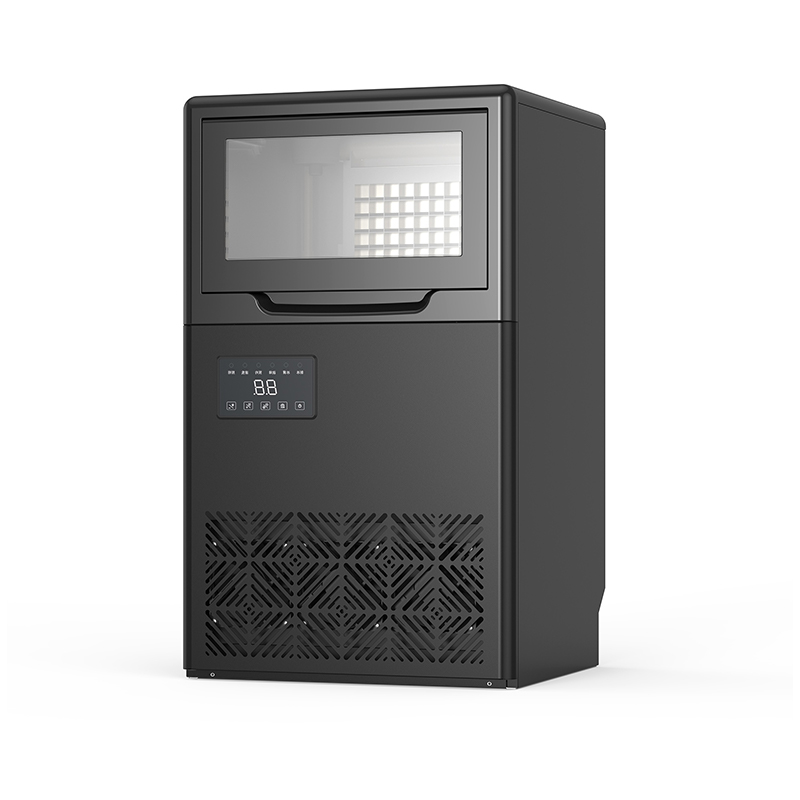 SMK-78F Modular Cube Ice MakerA 78 kg/day modular cube maker with 25 kg integrated storage, designed for high-volume sites and expandable capacity across larger operations.View Product →
Heavy-duty square cube
Built for high-volume sites where the machine runs close to continuously and downtime is expensive. Heavier duty components, and a service plan worth agreeing before installation.
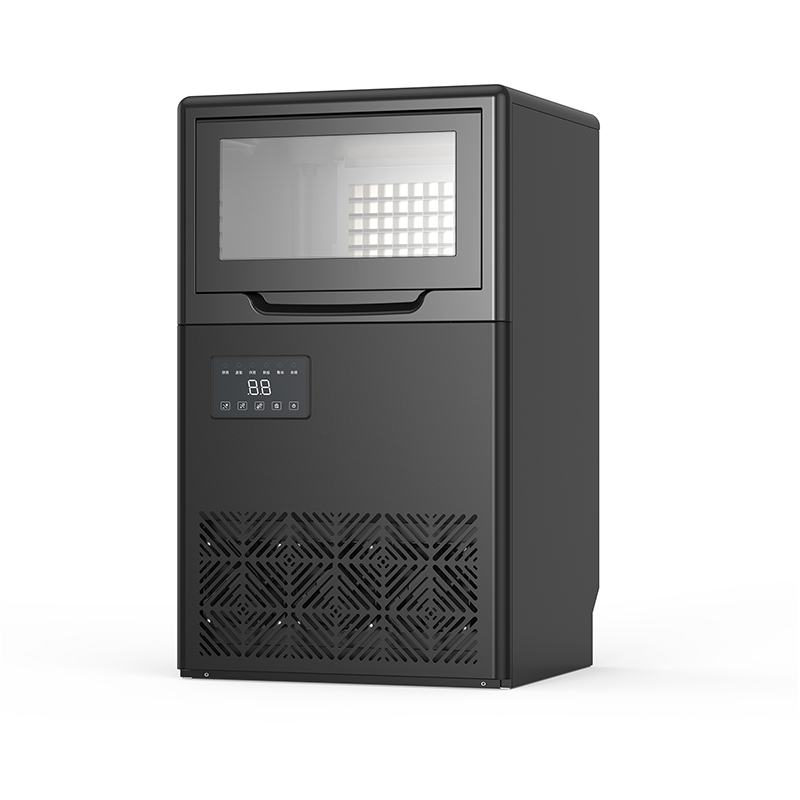 SMK-91F Heavy-Duty Square Ice MachineHeavy-duty square ice maker for continuous high-volume production, with integrated storage and clear cubes suited to restaurants, bars and chilled display.View Product →
Water quality decides how long the machine stays fast
Scale on the evaporator is the quiet killer of cube output. A millimeter of mineral deposit insulates the freezing surface, harvest slows, and the machine that once finished a cycle in 18 minutes drifts toward 24. In hard water areas above roughly 150 mg/L calcium carbonate, a cartridge filter ahead of the inlet and a descaling routine every three to six months keeps performance close to the day of commissioning.
- Replace sediment and carbon cartridges every 6 to 12 months, sooner in high-turbidity supply.
- Sanitize the bin and scoop weekly; ice is food and is treated as such by auditors.
- Keep the condenser coil clean, especially in flour-heavy or greasy kitchens.
- Never descale with the machine running a freeze cycle; follow the manufacturer sequence.
What to put in the purchase specification
Whether you are buying ten units or developing an OEM line, a written spec prevents most disputes. The list below is the one we ask every distributor to complete before quoting.
- Cube format and nominal dimension, plus an acceptable tolerance.
- Required output at rated conditions and at your highest site ambient.
- Cooling type, bin volume, and whether cube or nugget dispensing is needed.
- Electrical data: voltage, frequency, phase, running amps, plug type.
- Water inlet pressure range, drain height, and clearance for airflow.
- Housing finish, panel color, logo placement, and packaging for sea freight.
- Documentation: wiring diagram, parts list, and a spare parts commitment.
Covaiy runs this process in-house, from mold and evaporator design through assembly and pre-shipment inspection, with custom logo, housing, voltage and packaging handled at the factory level. Buyers who want to see the production side before committing can review the manufacturing and quality control process behind each unit.
A machine to make ice cubes is not complicated, but it is unforgiving about numbers. Fix the cube format to the menu, read the capacity at the temperature the machine will actually live in, size the bin for the busiest shift rather than the average one, and protect the evaporator with filtration and a descaling routine. Do that and the equipment disappears into the background of a well-run kitchen.
Covaiy has been building ice-making and water-related appliances in Cixi since 2003, supplying commercial cube machines and portable household units to B2B clients and brand partners worldwide. Every unit is inspected before shipment, and the engineering team is available to work through a specification before the first drawing is issued.
Related Product
-
-
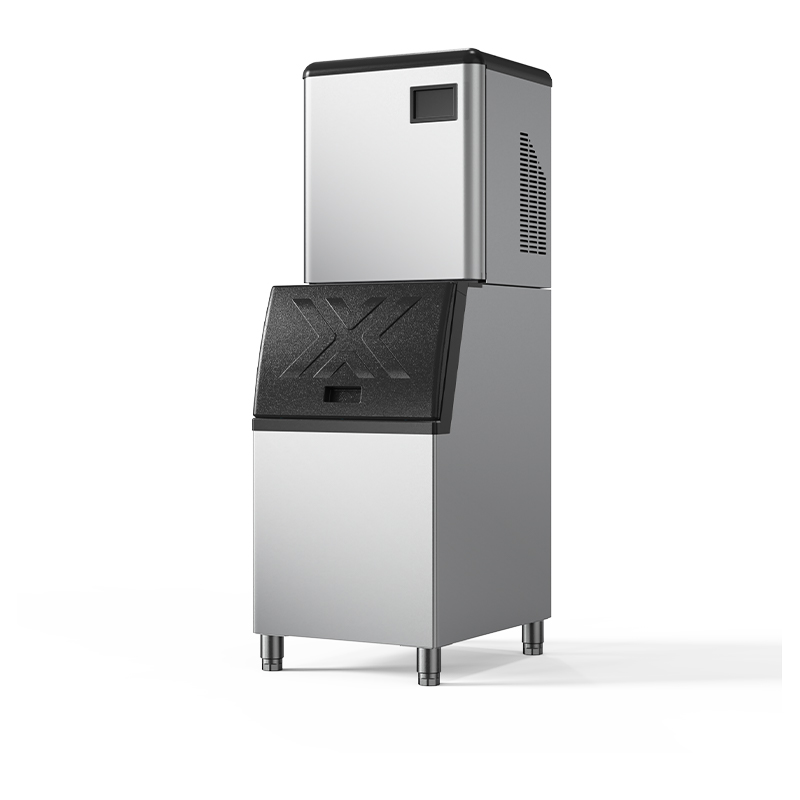
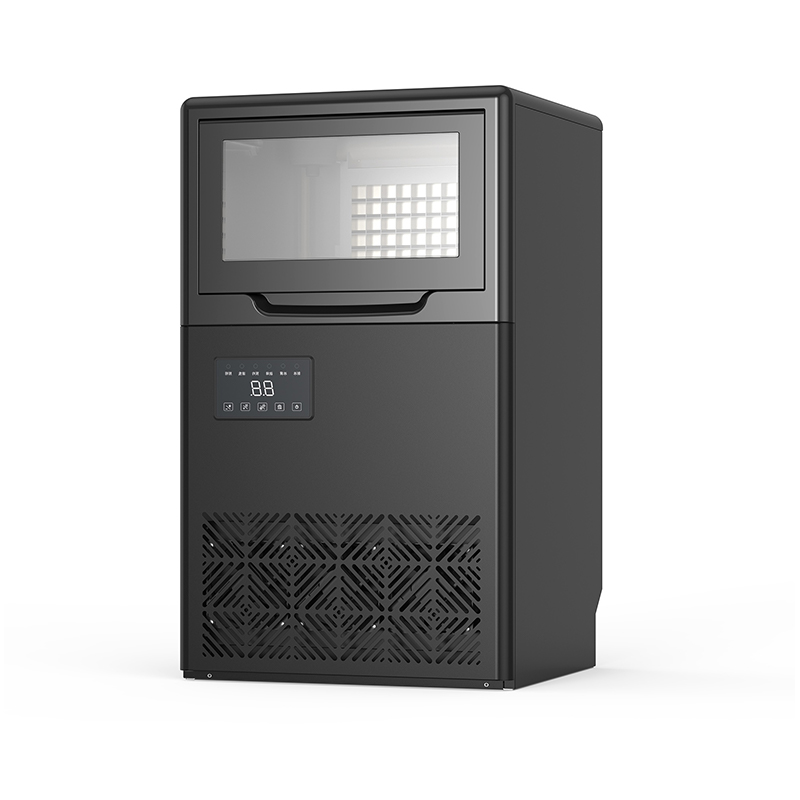
SMK-156F for High-Capacity Cube Ice Maker— A Commercial Flagship and Production Powerhouse
+ VIEW MORE -
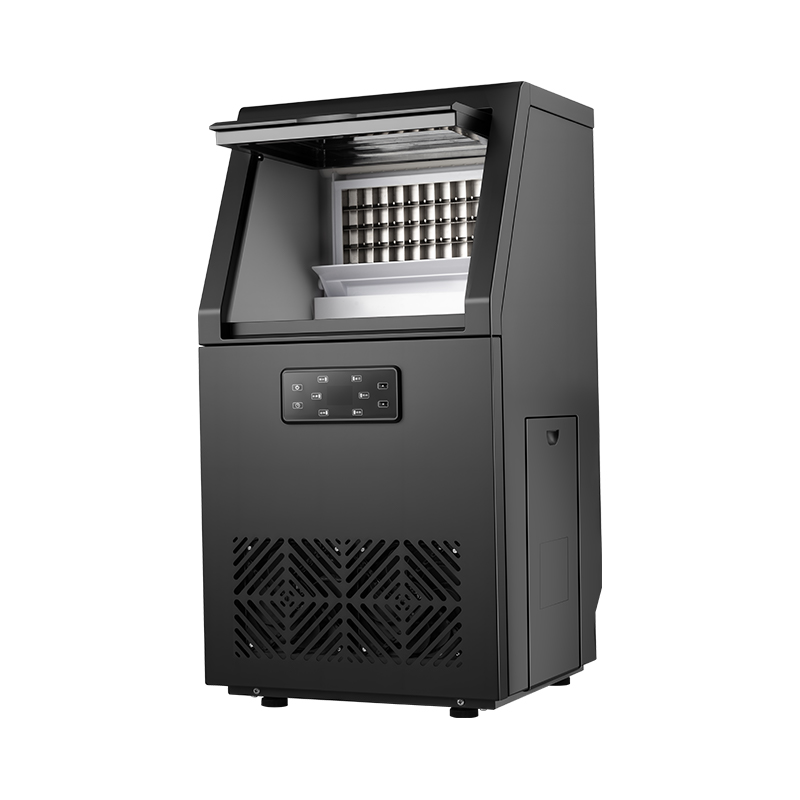
The SMK-24F Full-Cube Undercounter Ice Maker is a fully automated ice-making unit meticulously desig...
+ VIEW MORE -
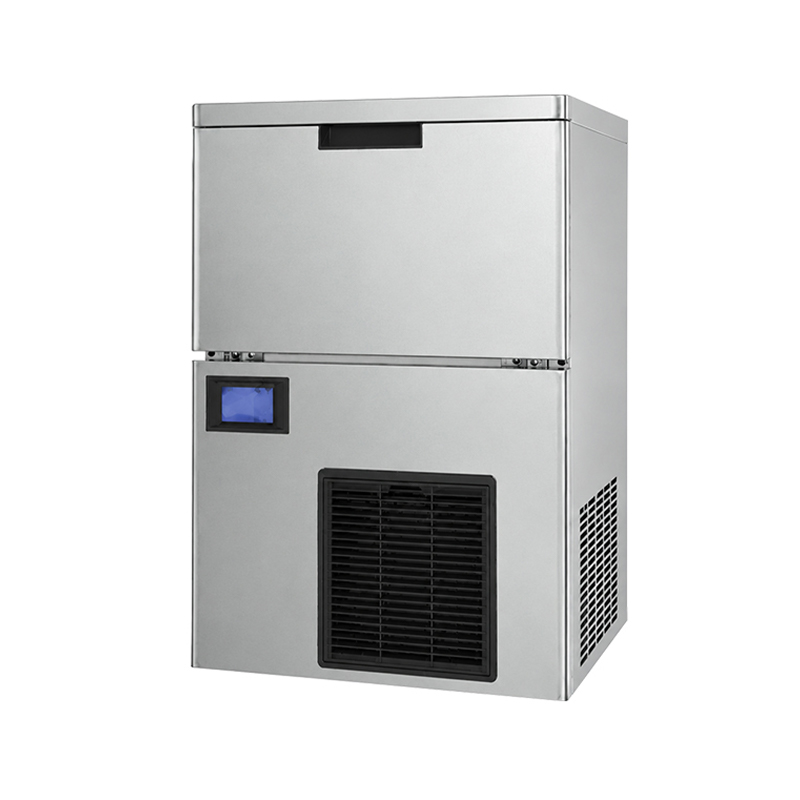
The COVAIY SMK-80F-35PY Cylindrical Ice Machine is a commercial ice-making solution designed to deli...
+ VIEW MORE -
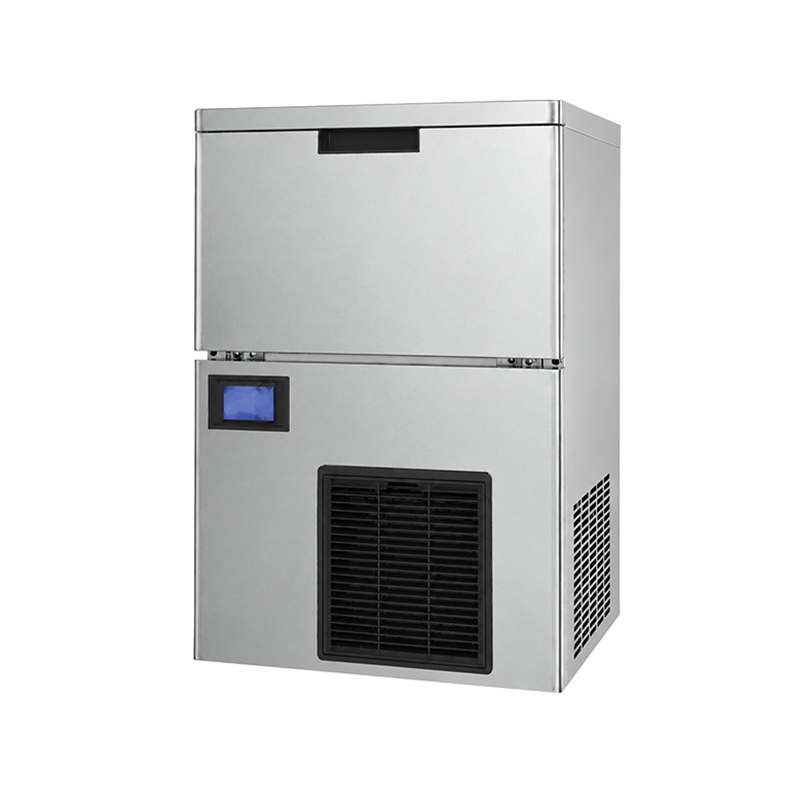
The Covaiy SMK-80F-35PF Gourmet Ice Machine is designed to produce high-quality big cube ice for com...
+ VIEW MORE -
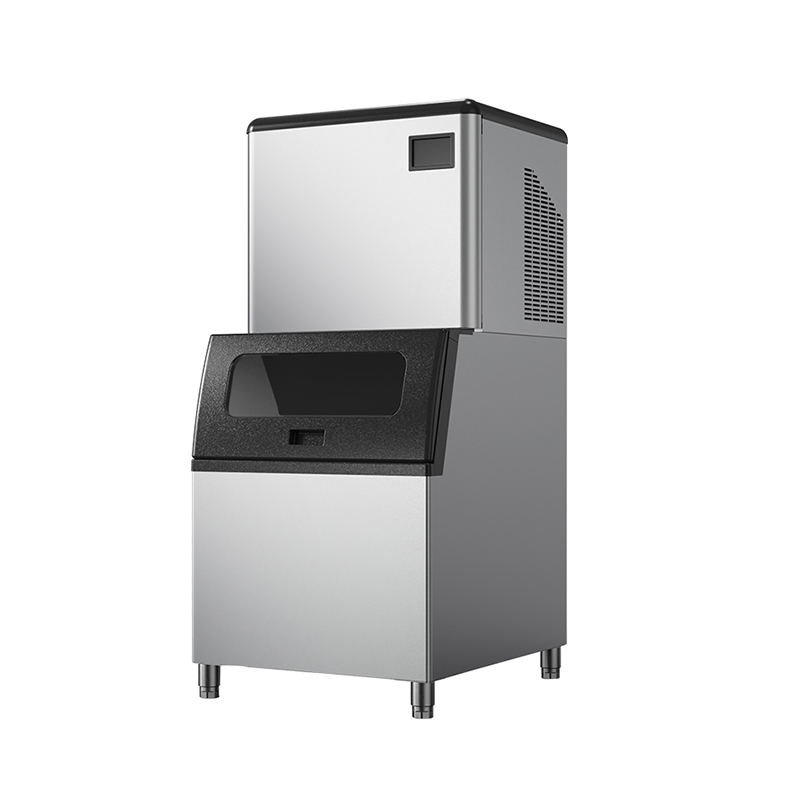
SMK-350F 350kg High-Capacity Ice Maker 350kg High-Capacity Ice Maker is designed for businesses that...
+ VIEW MORE


Product Categories
Cube Ice Machine Flake Ice Machine Nugget Ice Machine Crescent Ice Machine Gourmet Ice Machine Ice DispenserContact
 info@covaiy.com
 +1 (618) 886-8178 /+16188868178
 No. 6 Wei'er Road, Xigong District, Xinpu Town, Cixi City, Zhejiang Province, China
Copyright © Cixi City Sharmoon Electric Co., Ltd. All Rights Reserved
Custom commercial ice machine outdoor Manufacturer
OEM/ODM commercial ice machine company
