

 English
 Español
SMK-156F for High-Capacity Cube Ice Maker— A Commercial Flagship and Production Powerhouse
+ VIEW MORE
 Industry News
HOME / News & Share / Industry News / How to Make Lots of Ice Cubes: Capacity, Storage, and Machine Choices for Parties and Bars
How to Make Lots of Ice Cubes: Capacity, Storage, and Machine Choices for Parties and Bars
Sharmoon appreciates your support and sincerely looks forward to cooperating with you for mutual development!
Content
- 1 Start With the Real Demand, Not the Tray Count
- 2 Why Home Freezers Stall When You Need Volume
- 3 Capacity Math That Prevents a Mid-Party Ice Run
- 4 Storage, Handling, and the Hidden Cost of Wet Ice
- 5 Machine Choices for Different Ice Volumes
- 6 A Simple Buying Checklist for High-Volume Ice
- 7 Where Covaiy Fits in a High-Volume Ice Plan
Filling a 120-quart cooler for a weekend, keeping a home bar stocked for 80 guests, and running iced coffee service through a Saturday rush look like different problems. They are not. Each one asks for a predictable number of pounds of ice per day, enough bin storage to cover the busiest hour, and a machine that can recover before the next rush. That is the practical meaning of making lots of ice cubes. The conclusion first: plan around daily capacity, peak-hour storage, and ambient conditions, not tray count. A freezer full of trays can top off drinks; it cannot carry volume.
Start With the Real Demand, Not the Tray Count
Ice disappears faster than most hosts expect. A guest may take one glass with four cubes, then a refill, then a cooler scoop for bottled drinks. A useful rule of thumb is 1 to 1.5 pounds per guest for drinks, with extra for coolers, bottles, and cocktails served over ice. For food service, count drinks per hour, not guests per day, because the bin has to survive the rush.
| Use case | Typical daily ice need | What it changes |
|---|---|---|
| Backyard party for 50 guests | 50-75 lb | Plan bin storage, bagged backup, and start time. |
| Home bar for 80 guests | 80-120 lb | Peak demand hits in the first two hours; recovery matters. |
| Cafe or coffee service | 40-70 lb | Count drinks per hour and refill speed. |
| Small retail or convenience counter | 150-250 lb | Footprint, drainage, and service access decide the layout. |
Those numbers are not lab ratings. They are planning figures that help you compare a countertop ice maker, an undercounter cube machine, and a modular commercial unit on the same basis. If your estimate says 90 pounds for Saturday evening, a machine rated at 100 pounds per day may still fall short when the room is warm and the bin is small.
Why Home Freezers Stall When You Need Volume
A home freezer makes ice slowly because it is cooling food at the same time. Trays sit in a closed box with limited airflow, and every opened door lets warm, moist air inside. The result is not just slower freezing; it is cloudy ice, uneven cube sizes, and trays that crack when someone tries to hurry them.
- Freezer air must absorb heat from each tray before the water can freeze.
- Removing cubes breaks the cycle, because the next tray starts from room temperature.
- Warm room air slows recovery, especially during parties and holiday cooking.
- Finished cubes stored in a freezer bag slowly pick up odors and clump together.
Clearing a shelf and starting trays two days early works for a dinner. It does not work for repeat volume. If you want to understand the timing more precisely, this guide explains how long cube ice actually takes to form. The short version: trays are a backup supply, not a production plan.
Capacity Math That Prevents a Mid-Party Ice Run
Nameplate capacity is a 24-hour rating, not an hourly promise. A machine may list 300 pounds per day, but that figure assumes specific air and water temperatures. In a warm room, output drops. A good buying comparison separates three numbers: daily capacity, hourly recovery, and bin capacity.
The three numbers to compare
Daily capacity tells you the total pounds in 24 hours at rated conditions. Hourly recovery tells you how fast the machine refills the bin after a rush. Bin capacity tells you how many pounds are ready before the machine has to catch up. A unit that makes 300 pounds per day but holds only 50 pounds can still run dry at 7 p.m. if it cannot recover during the busiest two hours.
For a party, size to the busiest two hours plus 20 percent. For a cafe, size to the busiest hour and check recovery between drink orders. For a bar, add storage for cocktails, shaking, and service wells. If the numbers are close, move up one model rather than relying on bagged ice during service.
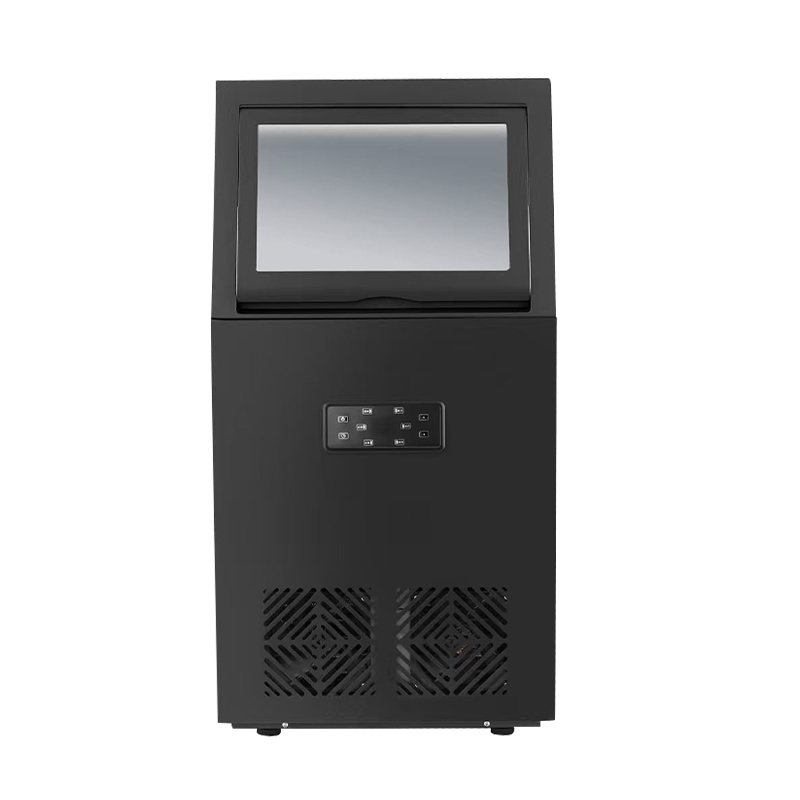
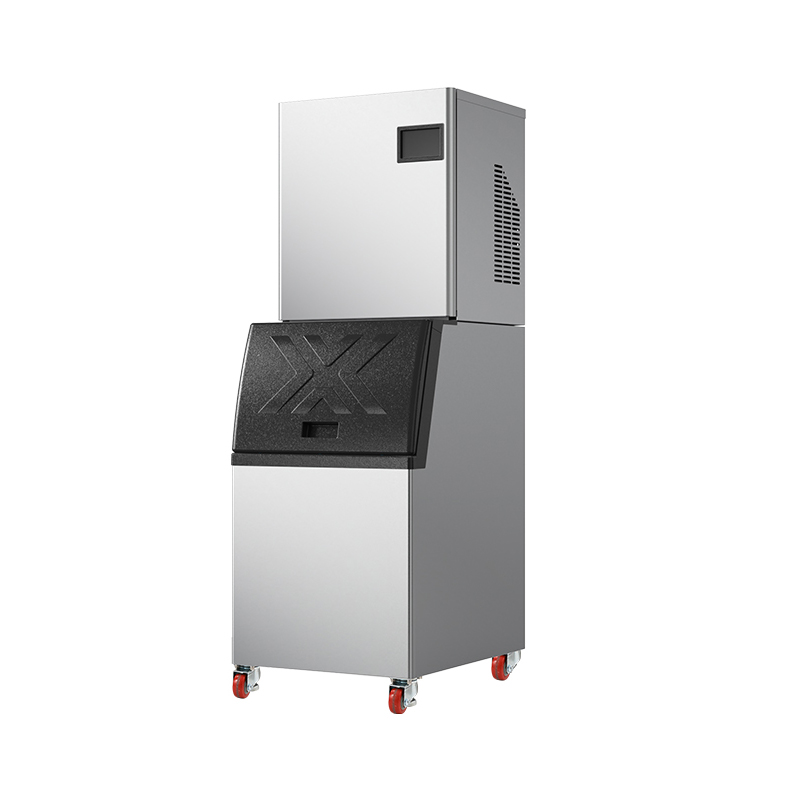 SMK-156F High-Capacity Split-System Cube Ice MakerSplit-system cube maker with separate storage bins up to 150kg and higher, suited to high-traffic venues sizing output and recovery against peak service.View Product →
High-capacity cube machines like the Covaiy SMK156 are aimed at that gap between occasional use and steady commercial demand. The practical check is not the model number; it is whether the rated output, bin size, and recovery curve match your serving pattern.
Storage, Handling, and the Hidden Cost of Wet Ice
Ice quality is a handling issue as much as a freezing issue. Wet ice melts faster, clumps in the bin, and dilutes drinks. A machine that produces clear, dry cubes can still deliver poor results if the bin drains badly or the staff uses a glass as a scoop.
- Drain the bin daily and check that the drain line has a steady slope.
- Use a dedicated scoop with a flat edge, not a glass or a metal cup.
- Keep the lid closed between service periods to reduce warm-air contact.
- Rotate stock so older ice leaves the bin before fresh ice builds up.
These habits matter more as volume rises. A small countertop unit can be emptied and wiped down between uses. A commercial cube ice machine in a busy bar needs access for cleaning, enough clearance for airflow, and a bin that can be reached without moving heavy equipment.
Machine Choices for Different Ice Volumes
Once demand is clear, match the machine to the job. Cube ice is the default for drinks, coolers, and general service because it melts steadily and stacks well. Nugget ice is softer and chewable, but it is not the best fit for every cooler or cocktail program. Gourmet ice shapes can support premium drinks, yet they cost more per pound and need more freezer discipline.
| Setup | Daily ice need | Practical equipment direction | Main constraint |
|---|---|---|---|
| Home kitchen | 10-30 lb | Countertop or undercounter cube maker | Outlet, clearance, bin size |
| Home bar or patio kitchen | 30-80 lb | Undercounter or freestanding cube machine | Ventilation, noise, drain |
| Cafe or small bar | 80-200 lb | High-yield cube machine with a 50-100 lb bin | Recovery and footprint |
| High-volume venue | 200-500+ lb | Modular or high-capacity cube machine | Power, water, drain, service access |
A dedicated cube ice machine removes the freezer from the production path. That matters for texture and speed, and it also protects food storage. The Covaiy cube ice machine range includes undercounter, modular, high-capacity, and high-yield formats, so buyers can compare bin size and cabinet shape against the space they actually have.
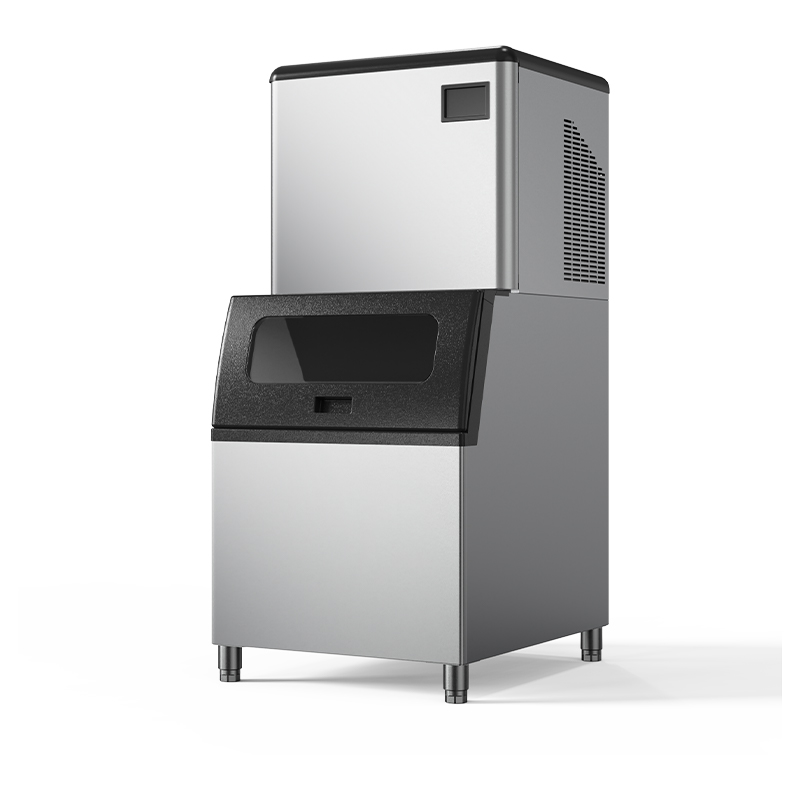 SMK-260FRO High-Yield Split-System Cube Ice MakerHigh-yield cube maker with 260 kg daily output and 150 kg bin, positioned for cafe or bar rush recovery and continuous supply.View Product →
For a cafe or small bar, a high-yield machine is usually more useful than a larger box with a small bin. The machine should refill during the quiet ten minutes between rushes, not after the line has already formed.
A Simple Buying Checklist for High-Volume Ice
Before comparing prices, confirm the installation and service facts. Most disappointing ice purchases are not refrigeration failures; they are planning failures around power, water, drainage, or access.
- Confirm the electrical supply, breaker size, and voltage available at the install point.
- Check water quality; filtration protects the evaporator and supports clearer cubes.
- Measure the delivery path, doorway width, and turning clearance before the machine arrives.
- Compare bin capacity with peak-hour demand, not only daily output.
- Ask for recovery time at your likely room temperature and water temperature.
- Plan drain access, cleaning clearance, and ventilation around the cabinet.
- Clarify warranty terms, spare parts, and who will service the machine locally.
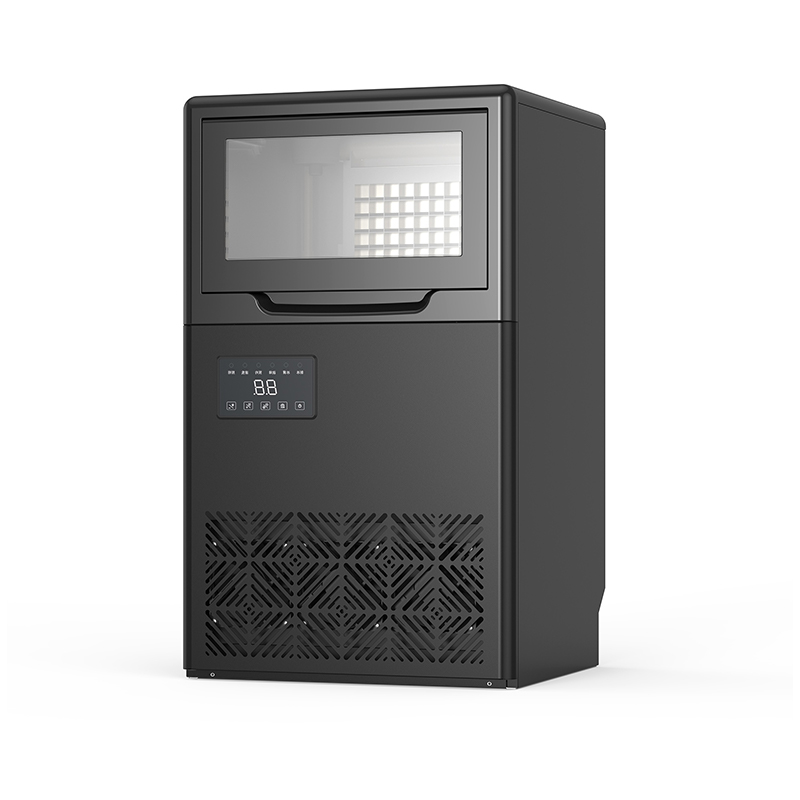 SMK-78F Modular Cube Ice Maker with Integrated BinCompact modular cube maker with integrated 25 kg bin and 78 kg daily output, useful where power and water connections are the main installation check.View Product →
Modular cube ice makers are often the better answer when the bin needs to sit near service and the condensing unit needs to sit away from guests. The trade-off is planning: two locations, more connections, and a service plan that covers both sections.
Where Covaiy Fits in a High-Volume Ice Plan
Covaiy is the registered ice-machine brand of a manufacturer focused on commercial cube ice machines and portable home ice makers for global B2B customers. That background is useful when the brief moves from “we need more ice” to “we need a machine that fits a counter, a bin, a voltage, and a service routine.”
The Covaiy range covers undercounter, modular, high-capacity, and high-yield cube ice makers, alongside nugget, flake, crescent, gourmet, and dispenser lines. For buyers, the value is not the length of the catalog. It is the ability to match bin size, recovery, cabinet design, and voltage to a specific serving pattern. OEM/ODM support covers logo, housing design, voltage adaptation, and packaging, and each Covaiy ice machine is inspected before shipment to support consistent performance.
Making lots of ice cubes is mostly a planning problem. If you need 30 pounds for a party, clear freezer space and start early. If you need 80 pounds every Saturday, a dedicated cube ice machine with the right bin is the calmer choice. Match daily capacity, peak-hour storage, and recovery to the way you serve ice, and the ice will be ready before the first glass is filled.
Related Product
-
-
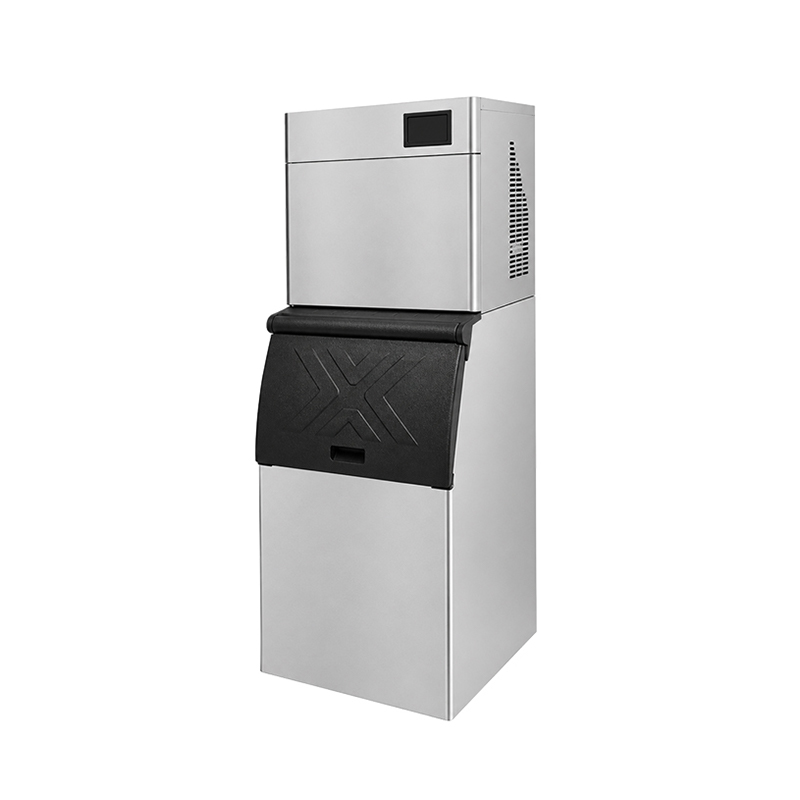
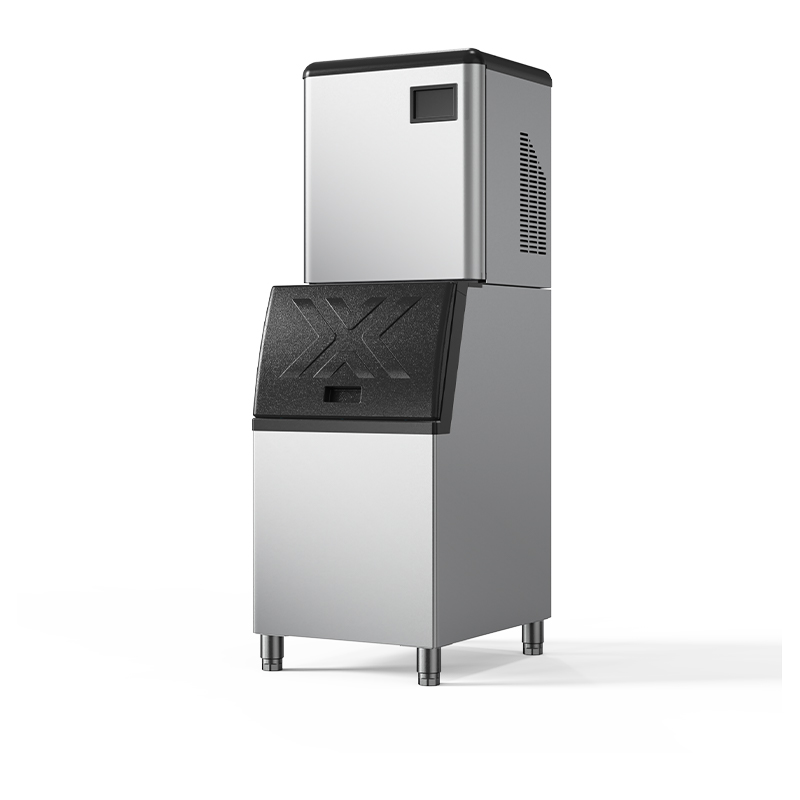
COVAIY Commercial Ice Maker – 200kg Daily Ice ProductionThe COVAIY commercial ice maker is designed ...
+ VIEW MORE -
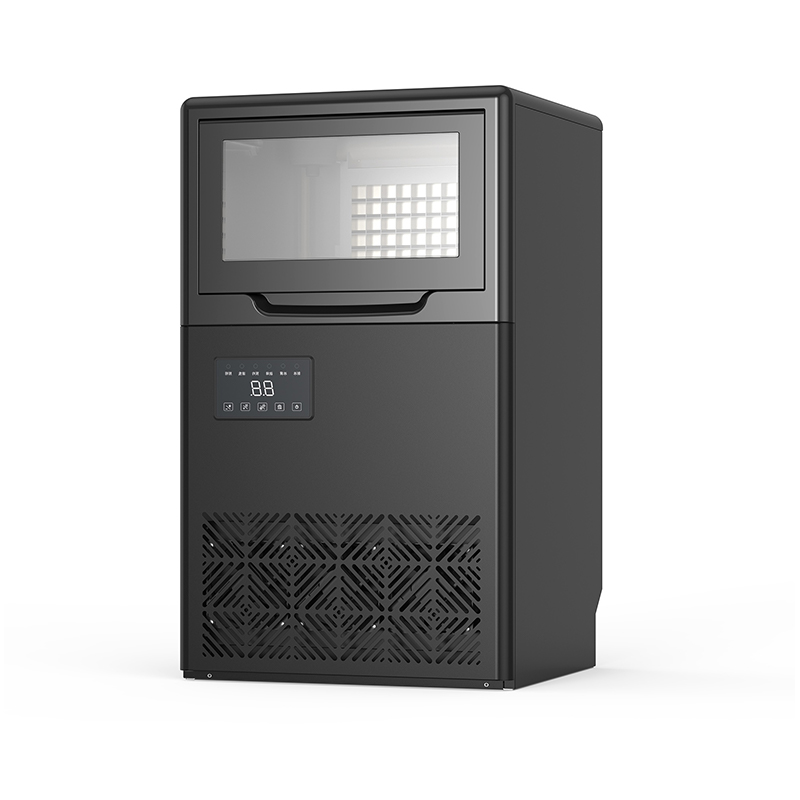
The SMK-84F High-Capacity Cube Ice Machine is an industrial-grade ice-making solution specifically e...
+ VIEW MORE -
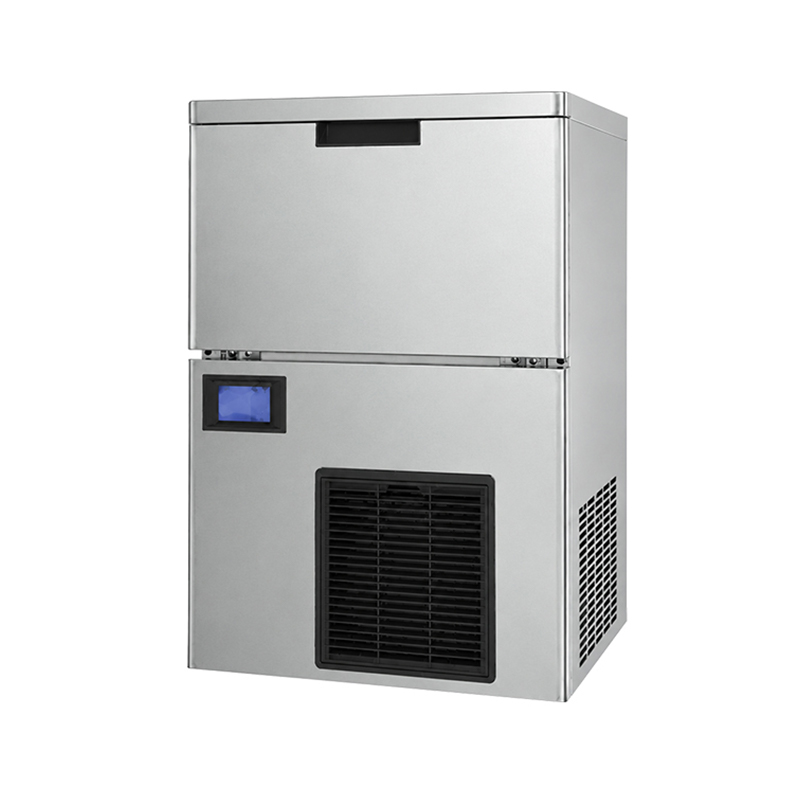
The Covaiy SMK-80F-35PZ Diamond Ice Machine is a professional commercial ice maker designed to produ...
+ VIEW MORE -
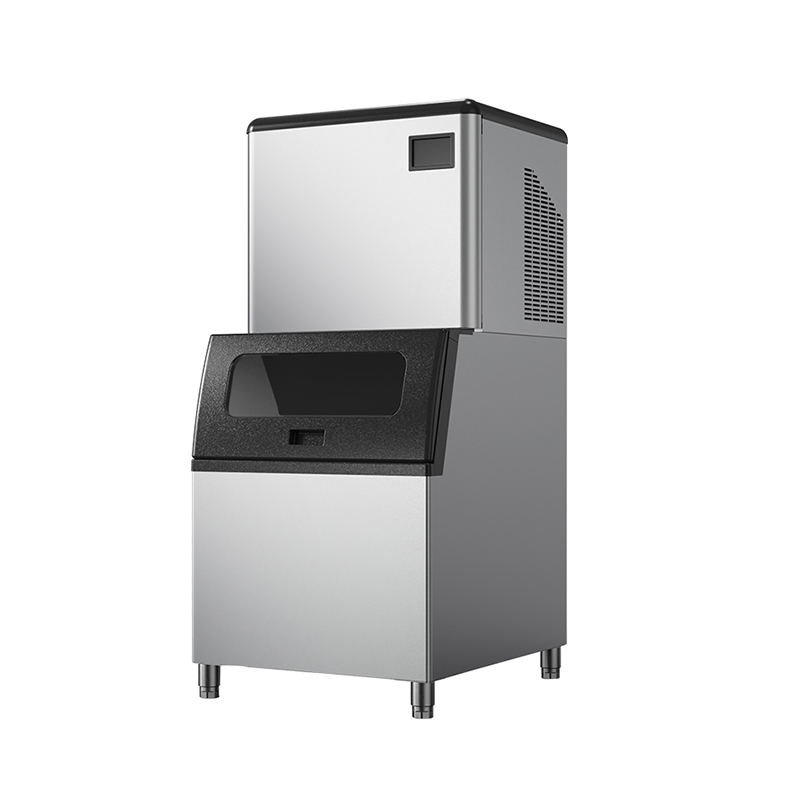
SMK-350F 350kg High-Capacity Ice Maker 350kg High-Capacity Ice Maker is designed for businesses that...
+ VIEW MORE


Product Categories
Cube Ice Machine Flake Ice Machine Nugget Ice Machine Crescent Ice Machine Gourmet Ice Machine Ice DispenserContact
 info@covaiy.com
 +1 (618) 886-8178 /+16188868178
 No. 6 Wei'er Road, Xigong District, Xinpu Town, Cixi City, Zhejiang Province, China
Copyright © Cixi City Sharmoon Electric Co., Ltd. All Rights Reserved
Custom commercial ice machine outdoor Manufacturer
OEM/ODM commercial ice machine company
