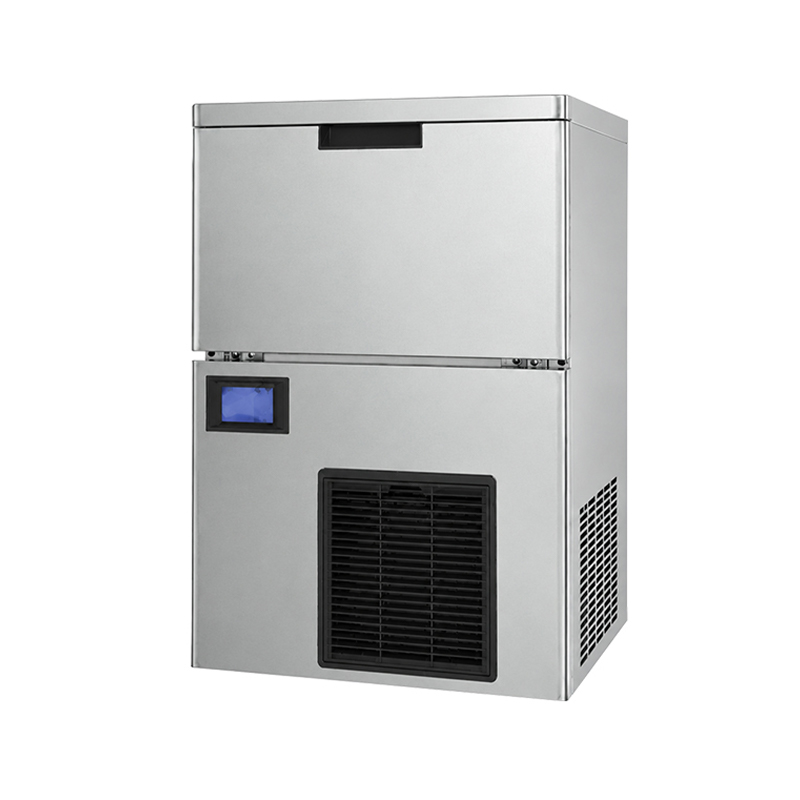
The SMK-36F Built-in Cube Ice Maker is a commercial-grade ice-making device specifically engineered ...
+ VIEW MORE
+1 (618) 886-8178


Get A Quote
 Industry News
HOME / News & Share / Industry News / Round Clear Ice Cube Maker Guide: Machines, Molds and B2B Supply Choices
Round Clear Ice Cube Maker Guide: Machines, Molds and B2B Supply Choices
Sharmoon appreciates your support and sincerely looks forward to cooperating with you for mutual development!
Content
Round clear ice usually fails for the same reason: the water froze from every side at once. A 50 mm sphere cast in a silicone tray and a 50 mm sphere dropped from a spray machine can look identical in a glass, yet they come from opposite processes. The mold freezes inward from its walls and traps air and minerals in the middle. A spray system builds the sphere layer by layer on a cold surface and drains the cloudy concentrate away before it can set.
That single difference drives everything a buyer actually measures: clarity, hairline cracks, melt speed, output per hour and the staff time needed to keep the bin full.
The short answer: below roughly 150–200 round cubes a day, molds plus a chest freezer and a small insulated box cost less than any machine. Above that level, or whenever cube ten must look like cube one thousand, a machine that freezes in one direction wins on labour alone.
Why round clear ice is harder than square ice
Commercial square ice has an easy life. Water circulates over a vertical evaporator, freezes outward in a single direction, and the mineral-rich remainder is flushed away. Round ice gets no such shortcut: a sphere has the smallest surface area for its volume, so heat leaves slowly, release is tighter, and any air left in the core sits exactly in the centre, where the light hits it.
Where the cloudiness comes from
As water cools, dissolved gas comes out of solution and minerals concentrate in whatever liquid is left. In a domestic freezer the last part of the water to freeze carries almost all of the impurities, and inside a closed mold there is nowhere for them to go. The result is an opaque core, a brittle shell and a crack line that opens the moment the cube meets a warm drink. The fix is manufacturing, not recipe: move the water, chill one side first, and let the cloudy fraction drain away.
Four routes to round clear ice, compared
Most buyers choose between four routes without realising two of them are hobby tools and two are production equipment. The dividing line is not price, it is how the water freezes and how much handling each cube needs before it reaches a glass.
| Route | Typical daily output | Clarity you can expect | Labour and space | Best fit |
|---|---|---|---|---|
| Silicone or plastic sphere mold plus cooler box | Dozens per batch, one freeze every 20–24 h | Excellent when frozen directionally, cloudy in a normal freezer | High: filling, waiting, trimming, refreezing | Testing demand, home bars, garnish programmes |
| Countertop clear-sphere machine | Tens to about a hundred | Good and repeatable | Medium: refill and empty the bin daily | Small bars, tasting rooms, coffee counters |
| Spray or crystal machine | Hundreds per day | Excellent, consistent from first cube to last | Low: cleaning and descaling cycle | Cocktail bars, hotels, distilleries |
| Cylindrical gourmet ice line | Thousands per day on modular setups | Excellent, uniform diameter and weight | Low per cube, but needs real floor footprint | High-volume venues, bottlers, OEM programmes |
The bottom two rows are the only options designed for round ice at volume, and both run on the same principle: freeze slowly against a conductive surface, keep the water moving, drain the concentrate, temper before release.
 Cylindrical and Diamond Ice Maker MachinesExplore this category range of cylinder and diamond ice maker models for producing round ice at volume.View Product →
What actually decides clarity, and where buyers lose money
Two machines with the same headline output can produce very different ice. These five variables explain nearly every complaint we see after installation:
- Freeze direction and water movement. A still mold freezes inward from all sides; a circulated or sprayed system keeps pushing air and minerals towards a drain.
- Water chemistry. Hardness, total dissolved solids and chlorine determine how much has to be flushed away. Filter before the machine, not after the ice.
- Mold material and surface finish. Silicone releases easily but conducts heat poorly; stainless and aluminium freezing surfaces conduct well and release cleaner, provided the surface is polished and the release temperature is right.
- Release temperature and tempering. Pull ice out too cold and thermal shock cracks the shell; pull it too warm and it slumps and welds together in the bin.
- Bin and storage. A self-defrosting freezer will ruin clear ice overnight, and any refreezing fuses separate cubes into a single block.
The physics behind the cooler-box trick is the same mechanism used in production machines; our notes on the directional freezing method walk through it step by step with domestic equipment.
Spray systems take that logic one stage further. Water is sprayed onto chilled cells, the unfrozen concentrate is diverted to waste, and the harvest cycle is timed so the ice leaves the mold before it becomes brittle. Machines in this family are the practical answer for bars that need an identical sphere every time.
 SMK-24P Spray Crystal Ice Maker MachineCommercial spray-type crystal ice maker for clear, high-density blocks, with adjustable thickness and automatic control; suited to bars needing consistent ice.View Product →
Specifying a unit: what belongs in the purchase order
Most disputes over round ice trace back to a vague specification rather than a defective machine. Write the numbers down before tooling starts, and test against them on arrival: photograph a cube at 24 hours, crack-test fifty spheres in chilled water, and weigh ten pieces to confirm diameter consistency.
| Item | What to write in the order | Risk if left vague |
|---|---|---|
| Ice shape and size | Sphere or cylinder, diameter in millimetres, tolerance such as ±1 mm | Ice that will not sit in your glassware or dispenser |
| Clarity standard | No visible opaque core at 24 h, no cracks after 30 minutes in water | Endless argument over what "clear enough" means |
| Output basis | Cubes or kilograms per 24 h at a stated ambient and inlet water temperature | Capacity that quietly collapses in a warm back bar |
| Water treatment | Filtration responsibility, inlet hardness limit, descaling schedule | Scale on the evaporator within a few months |
| Electrical and housing | Voltage and frequency, plug type, panel language, housing finish | Re-specification and re-testing near the port |
One more number worth fixing: breakage. Ask the supplier to declare an acceptable crack rate per hundred pieces, then check it on the first shipment instead of during service.
Where Covaiy fits round clear ice supply
Covaiy is the ice machine brand of Cixi Xiameng Electric, a manufacturer founded in 2003 in Cixi, Zhejiang, with more than 260 staff and a portfolio that runs from commercial cube, gourmet, nugget, flake and crescent ice machines to dispensers, portable home units and water appliances. The gourmet range is where round work sits: cylindrical ice, big cube, diamond and jelly shapes, alongside spray-crystal models built for bars that sell clarity by the glass.
For B2B buyers the practical part is the OEM/ODM layer. Logo, housing design, voltage adaptation and packaging can all be customised, which matters when a distributor needs one SKU for several markets. The company releases at least thirty new models a year, builds its own automation and core equipment to reduce manual dependency, and inspects every Covaiy unit before shipment.
- Confirm the ice shape, diameter tolerance and clarity standard first — everything else follows.
- Fix the water treatment plan and descaling interval before the machine leaves the factory.
- Agree on voltage, plug, panel language and packaging for each destination market.
- Validate the sample against the written spec, not against a promotional video.
Production capability, tooling and inspection flow are documented in more detail on our factory page, which is the quickest way to judge whether a supplier can hold a specification across repeat orders.
 SMK-35P Spray Cubic Ice MachineCommercial spray cubic ice machine producing clear, hard cubes with 15–100+ kg daily output and adjustable thickness for consistent round-cube production.View Product →
The buying decision in one paragraph
Work out the real cost per round cube, not the machine price. Add the labour of filling molds or emptying bins, the ice you throw away because it cracked, and the freezer space the bin occupies. Molds win for genuinely small volumes and for testing whether customers will pay a premium for clear round ice at all.
Once volume is steady and clarity has to be identical every service, move to a machine that freezes directionally, and write the diameter, clarity and output basis into the order before you pay a deposit.
Related Product
-
-
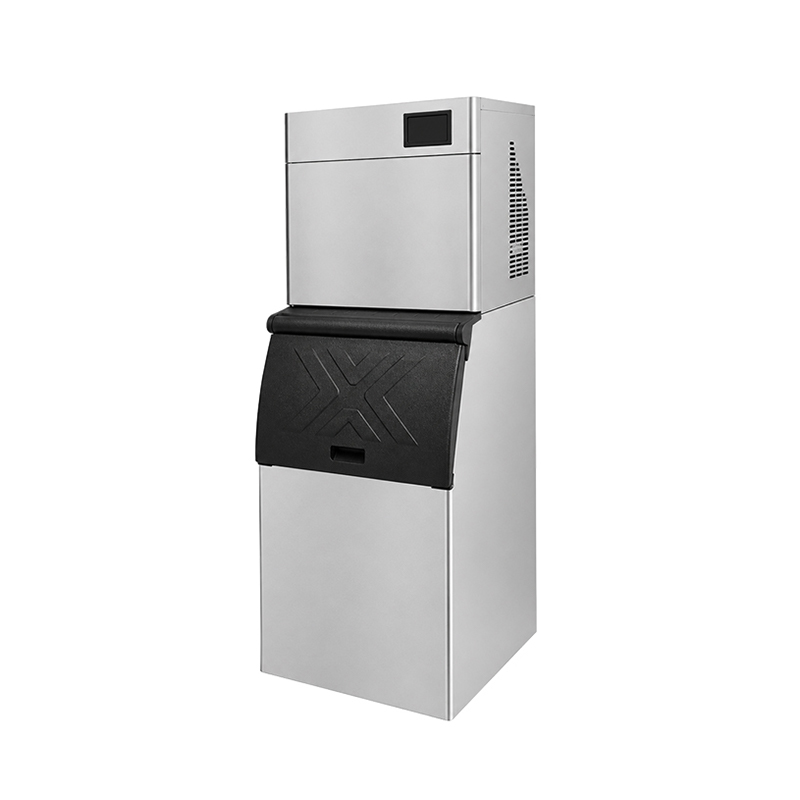
COVAIY Commercial Ice Maker – 200kg Daily Ice ProductionThe COVAIY commercial ice maker is designed ...
+ VIEW MORE -
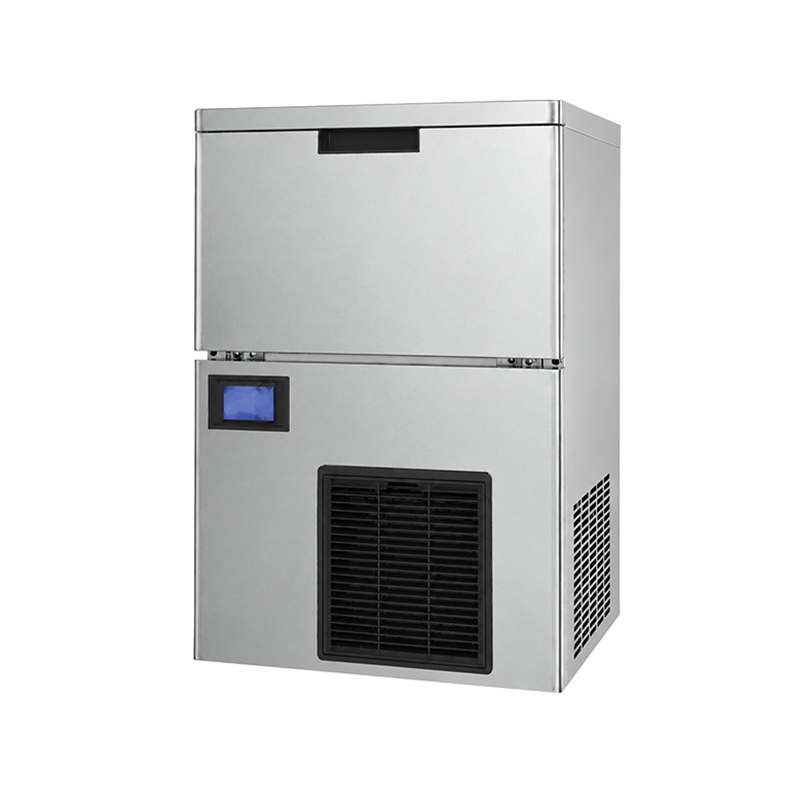
The Covaiy SMK-80F-35PF Gourmet Ice Machine is designed to produce high-quality big cube ice for com...
+ VIEW MORE -
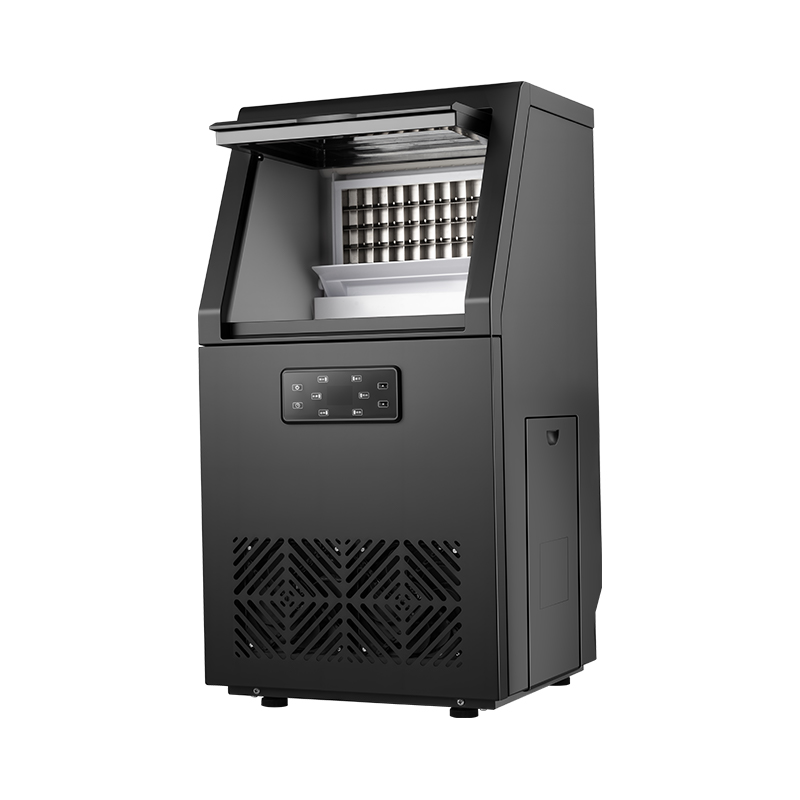
The SMK-24F Full-Cube Undercounter Ice Maker is a fully automated ice-making unit meticulously desig...
+ VIEW MORE -
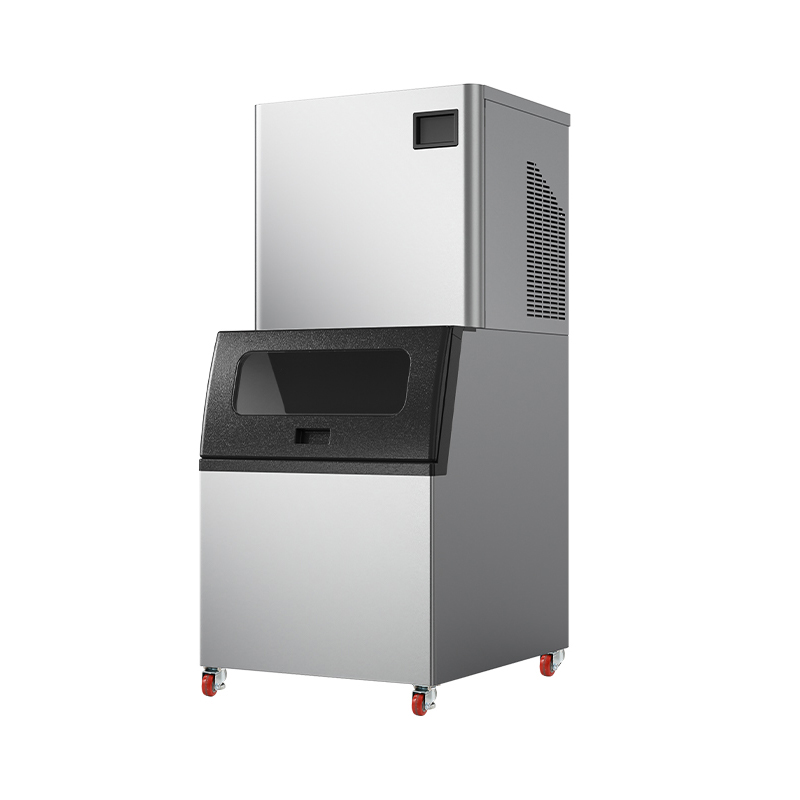
The SMK-260FRO High-Yield Cube Ice Maker is a split-system ice machine specifically engineered for h...
+ VIEW MORE -
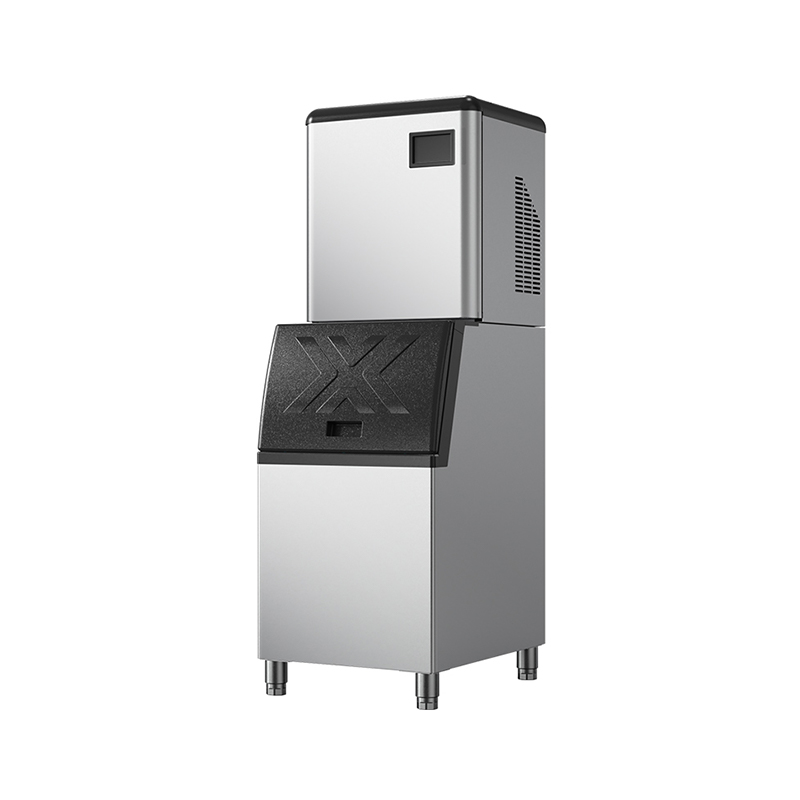
The COVAIY SMK-300J Commercial Nugget Ice Machine is designed to provide reliable and high-capacity ...
+ VIEW MORE


Product Categories
Cube Ice Machine Flake Ice Machine Nugget Ice Machine Crescent Ice Machine Gourmet Ice Machine Ice DispenserContact
 info@covaiy.com
 +1 (618) 886-8178 /+16188868178
 No. 6 Wei'er Road, Xigong District, Xinpu Town, Cixi City, Zhejiang Province, China
Copyright © Cixi City Sharmoon Electric Co., Ltd. All Rights Reserved
Custom commercial ice machine outdoor Manufacturer
OEM/ODM commercial ice machine company
