Why an Ice Maker Belongs in Every Beverage-Focused Business
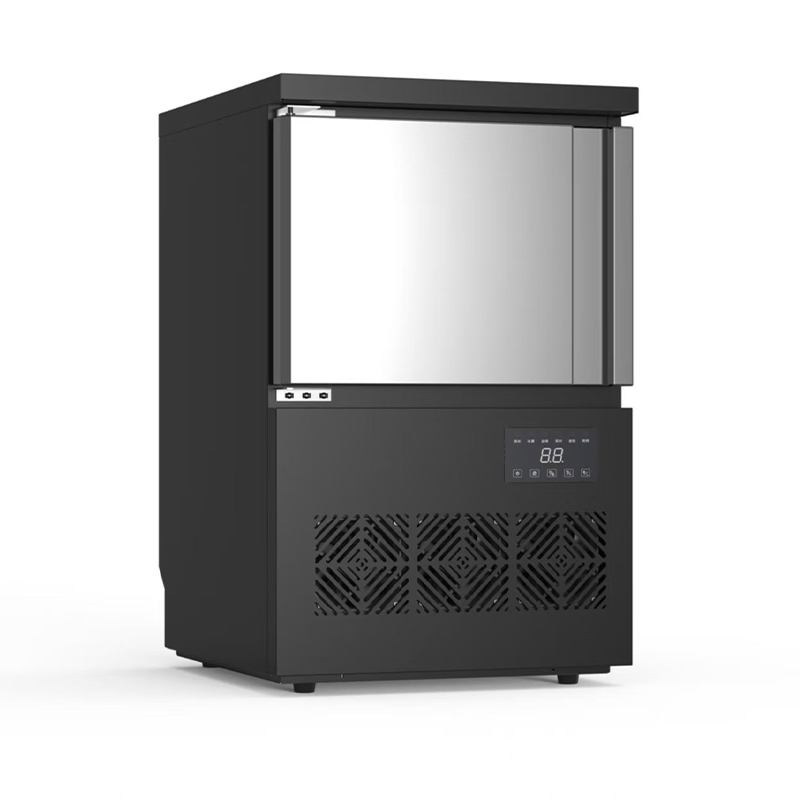
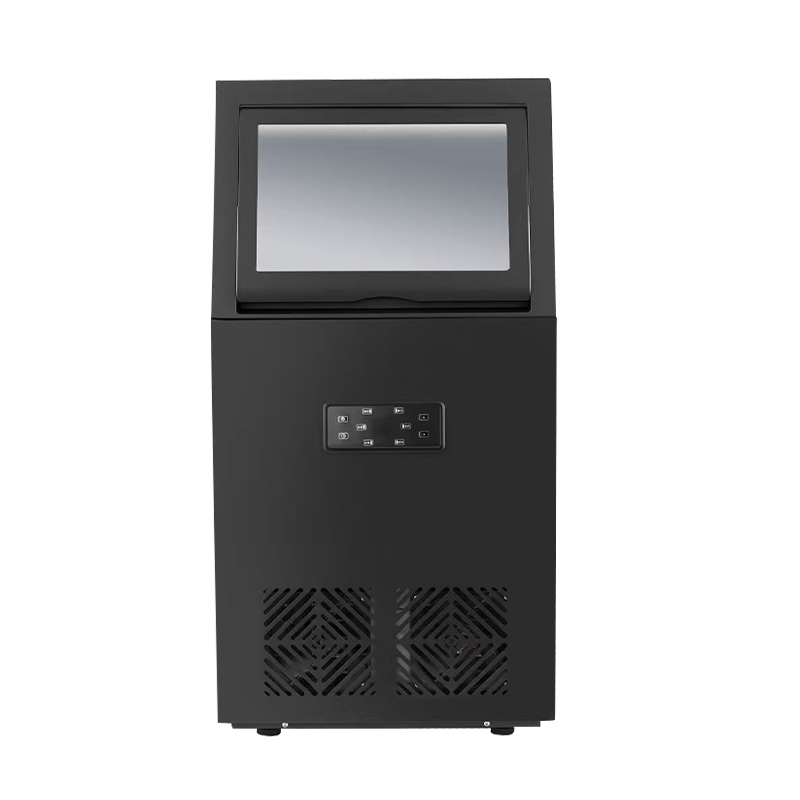
An ice maker solves a problem that manual ice trays never could: consistent, on-demand ice without staff having to stop and refill anything. For a busy bar or café, a countertop ice maker can produce a fresh batch in under 15 minutes, keeping service moving during peak hours. For home kitchens or small offices, a compact table top ice maker delivers the same convenience without needing a dedicated water line, since most models only require a manual water reservoir.
The core advantage is reliability. A properly sized ice maker removes ice shortages as a variable in daily operations, which matters most during high-traffic periods when running out is not an option.
How a Professional Ice Maker Actually Works
A professional ice maker circulates water over a refrigerated surface, freezing it in thin layers until cubes reach the target thickness, then briefly reverses the cycle to release the ice into a storage bin. This freeze-harvest-refill sequence repeats continuously, which is why commercial units can produce ice far faster than a home freezer tray.
- 1. Water enters the system and passes through a basic filter.
- 2. A pump circulates water across the freezing surface until ice forms.
- 3. A short reverse cycle releases the finished cubes into the bin.
- 4. The system refills automatically and repeats the cycle.
Matching Machine Size to Actual Ice Demand
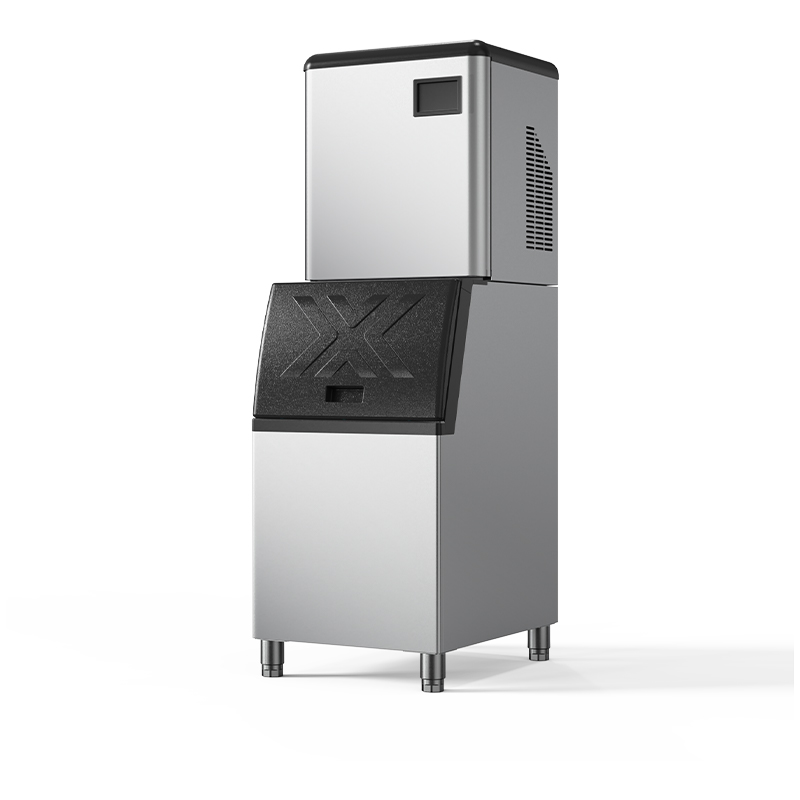
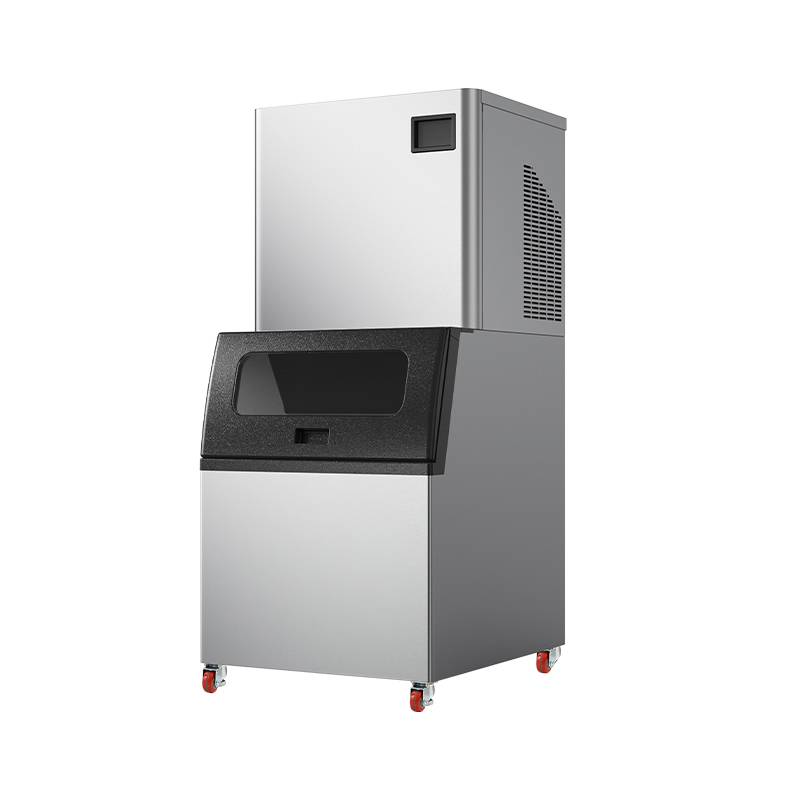
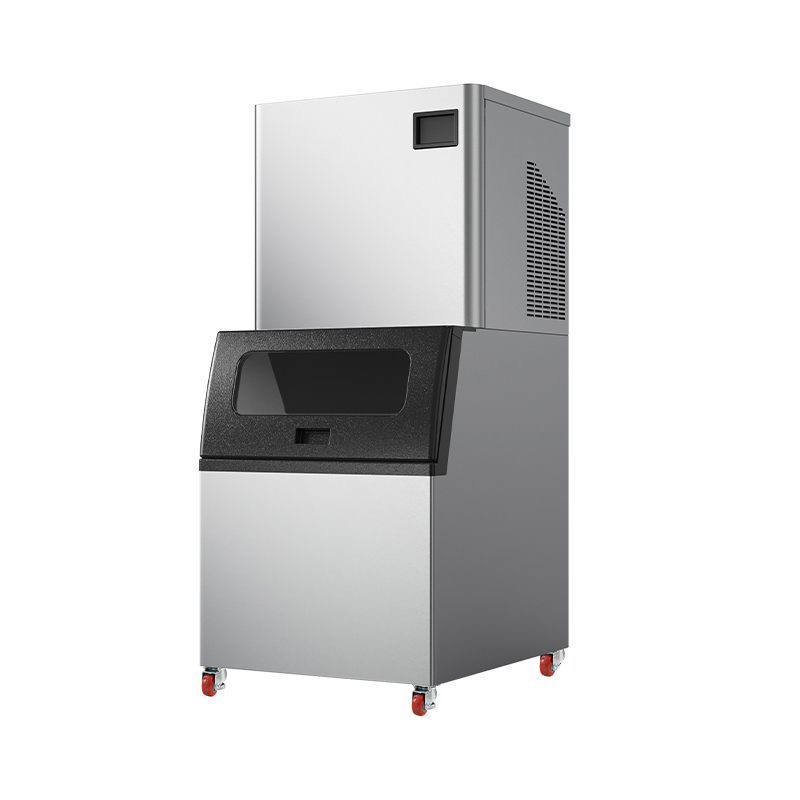
Choosing between a large ice maker machine and a small ice maker machine should be based on peak daily volume, not just available floor space. A high-volume restaurant ice machine is built for continuous output across long service hours, while smaller units suit lower-demand settings where space is limited.
| Machine Type |
Best Fit |
Typical Daily Output |
| Large Ice Maker Machine |
Restaurants, hotels |
High volume, continuous use |
| Small Ice Maker Machine |
Offices, small cafés |
Moderate, periodic use |
| Countertop / Table Top Ice Maker |
Homes, RVs, break rooms |
Light, on-demand batches |
Common ice maker configurations matched to typical usage settings
What to Check Before Buying from an Ice Machine Company
When browsing an ice maker machine for sale, water and energy consumption per cycle matter more than the upfront price alone, since these figures determine long-term operating cost. Working with an established ice machine company also means access to consistent parts supply and technical support after installation.
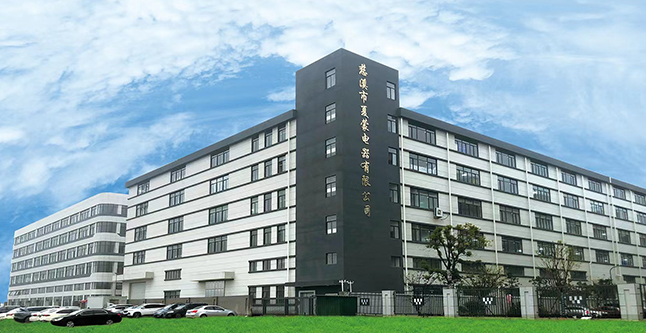
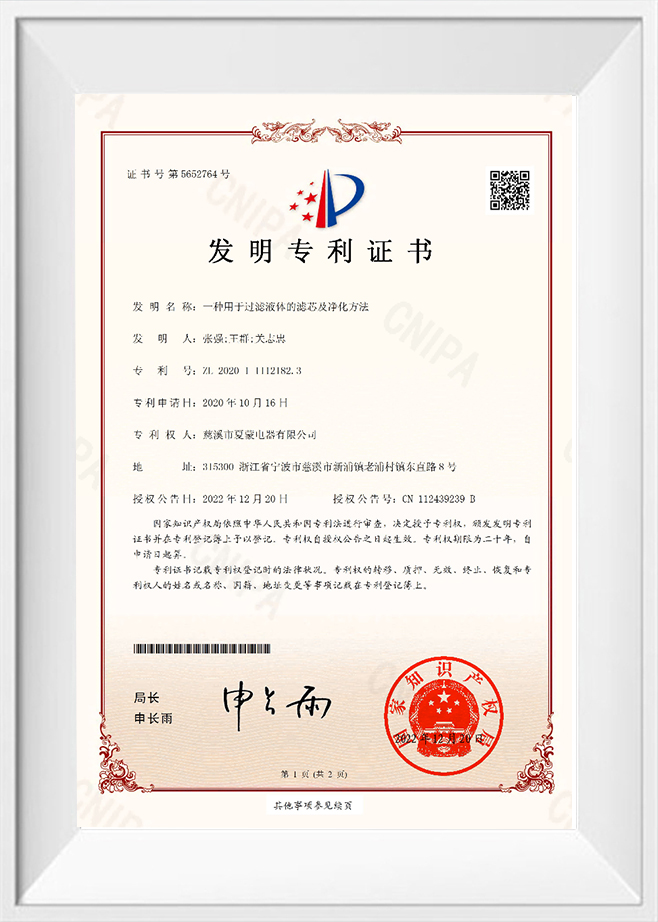
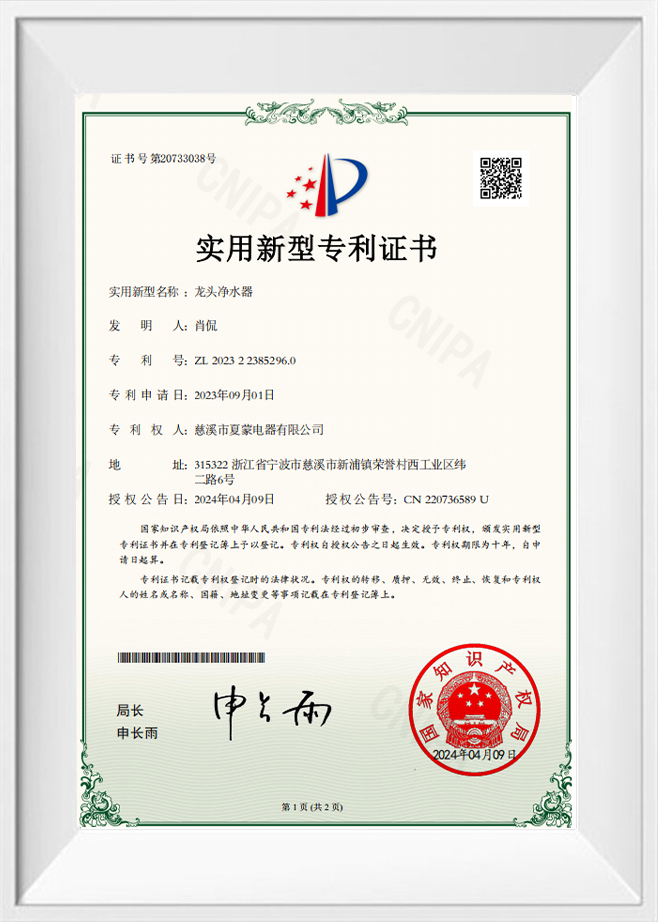
Founded in 2003, Cixi City Sharmoon Electric Co., Ltd. is a modern high-tech enterprise integrating R&D, manufacturing, and service. Located in Cixi, Zhejiang Province and supported by more than 260 employees, Sharmoon has focused on the development and production of commercial ice makers, alongside water filter pitchers, faucet water filters, pet water fountains, and instant tea makers, while providing professional OEM/ODM manufacturing solutions for customers worldwide. The company independently develops automated production lines to reduce labor dependence and improve manufacturing efficiency, launching no fewer than 30 new products every year.
Frequently Asked Questions
Q1: How long does a countertop ice maker take to produce its first batch?
Most countertop units produce a first batch of ice within 6 to 15 minutes, depending on water temperature and cube size setting.
Q2: Does a restaurant ice machine need a direct water line?
Most commercial units do, since continuous water supply supports higher daily output, while smaller table top ice maker models often rely on a manual reservoir instead.
Q3: What is the main difference between a small ice maker machine and a large one?
The difference lies mainly in daily production capacity and bin storage size, not just physical footprint, so sizing should always be based on actual peak demand.



 English
  Español


 xiameng301@gmail.com
  +1 (618) 886-8178 /+16188868178
  No. 6 Wei'er Road, Xigong District, Xinpu Town, Cixi City, Zhejiang Province, China